These True Story of the Three Little Pigs activities start with one question: is the wolf lying? Kids love sharing their opinions, but an opinion doesn’t mean much without evidence, and this book gives them a reason to go find it. Below is the lesson I used with my 4th graders and the free organizer that goes with it, a Hey, Little Ant lesson that starts with pros and cons, and a free mini-course that takes students all the way to a persuasive letter.
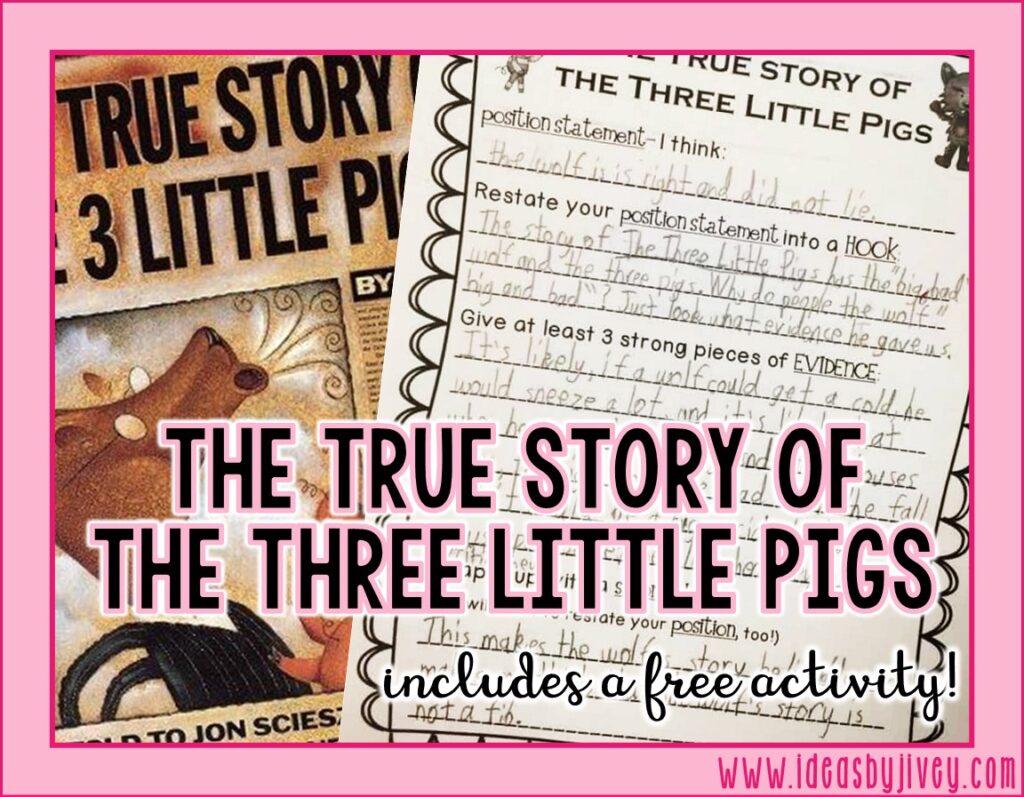
In The True Story of the 3 Little Pigs!, the wolf tells “his side” of what happened. He was just borrowing a cup of sugar, he had a terrible cold, and the sneezes did the rest. After we read it, my students had to decide whether the wolf was lying or telling the truth.
This post contains affiliate links to books on Amazon. As an Amazon Associate, I earn from qualifying purchases, at no extra cost to you.
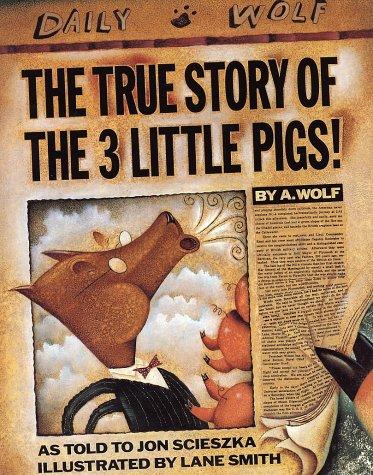
The True Story of the 3 Little Pigs! by Jon Scieszka, illustrated by Lane Smith
Get the book on AmazonBefore they wrote, we talked about how telling someone your opinion doesn’t mean much without reasons, or evidence, to back it up. The free organizer for these True Story of the Three Little Pigs activities walks students through it:

Free organizer
My True Story of the Three Little Pigs organizer: a position statement, a hook, three pieces of evidence, and a closing.
Get the free organizerStudents worked alone first to fill in their organizers.

The partner check was my favorite part of these True Story of the Three Little Pigs activities. Each student found a partner who shared their opinion. Together, they checked that every piece of evidence was really evidence from the book and not just more opinions. They could change or add to their evidence if they heard an idea they liked better.


Evidence vs opinion“The wolf is mean” is another opinion. “The wolf ate the first two pigs” is evidence from the book.
Hey, Little Ant pairs well with these True Story of the Three Little Pigs activities, because both books hand students two sides of a story. In this one, a boy is about to step on an ant. The ant gives every reason the boy shouldn’t, and the boy gives every reason he should. The book ends by asking what you think the boy should do, so it practically hands students their writing prompt.
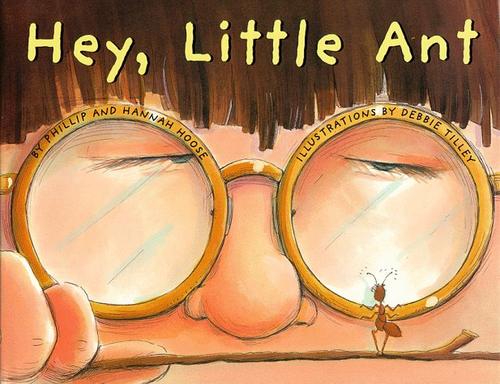
Hey, Little Ant by Phillip and Hannah Hoose, illustrated by Debbie Tilley
Get the book on AmazonFor these Hey, Little Ant activities, before anyone took a side, we made a class list of the pros and cons of ants. (We talked about what those words mean first.) A few that my students came up with:
The list gave every student reasons to borrow, no matter which side they chose. Then they narrowed it down to their three strongest reasons for their opinion and added an explanation and details for each one.
Why pros and cons firstWhen students see both sides before they choose, their reasons get stronger, and they’re ready to answer the other side later.
Once students can back up an opinion, persuasive writing is the next step: now they want the reader to agree. My free mini-course, Maximize Your Time With Mentor Texts, uses I Wanna Iguana for a full week of reading, grammar, and writing lessons. In the book, Alex writes letters to convince his mom to let him have his friend’s iguana, and his mom writes back with every reason it’s a bad idea.
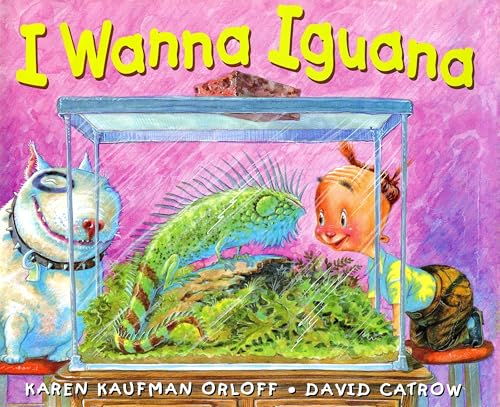
I Wanna Iguana by Karen Kaufman Orloff
Get the book on Amazon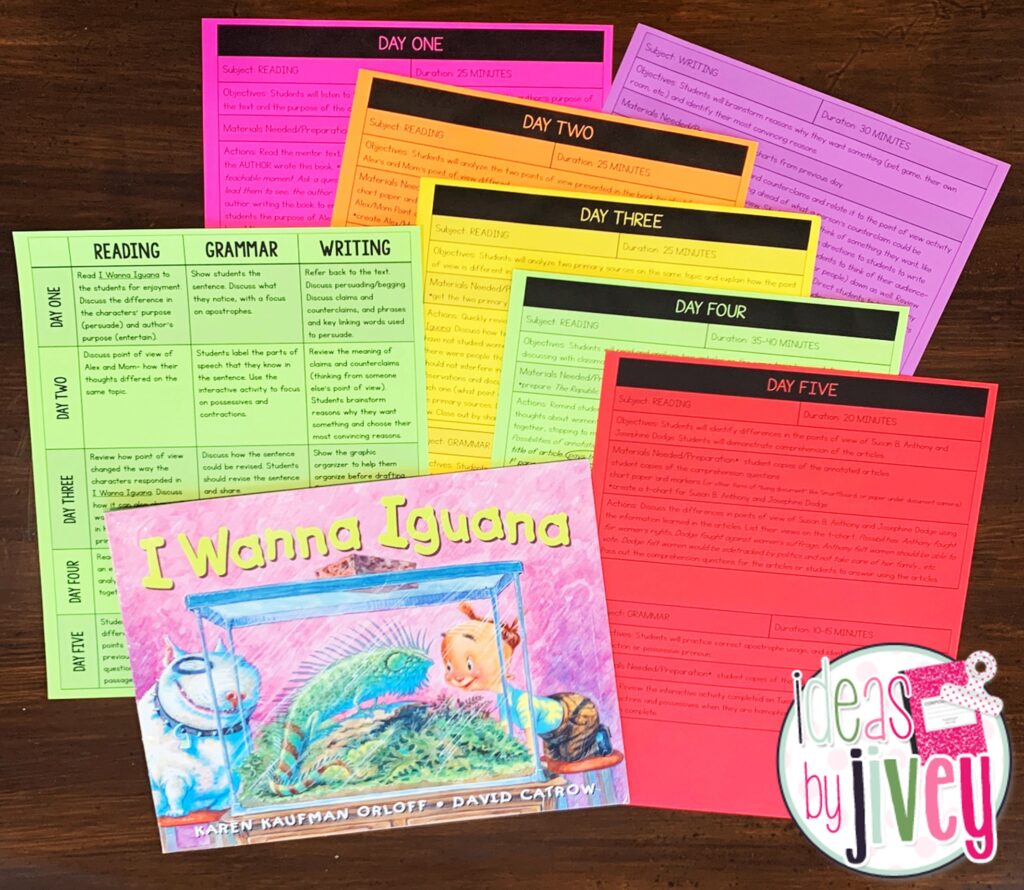
In both versions, students compare persuading with begging, find Alex’s reasons, brainstorm reasons for something they want, then plan, draft, revise, and publish a persuasive letter. The two grade bands differ in the rest of the week:

Free mini-course
Maximize your time with mentor texts
A week of reading, grammar, and writing lessons built around I Wanna Iguana, plus a planning template for getting more out of one mentor text. Students finish the week with a persuasive letter.
For more books like these, see my post on opinion writing mentor texts. It starts with Scaredy Squirrel Makes a Friend and walks through the books in my Everything but the Books opinion writing unit for 4th and 5th grade, which has 29 lesson plans with articles, prompts, checklists, and rubrics.


