
Idioms and puns are some of the hardest things to teach kids, because they take everything so literally. Here are the books and activities that worked best for teaching idioms in my classroom.
This post contains affiliate links to books on Amazon. As an Amazon Associate, I earn from qualifying purchases, at no extra cost to you.
Figurative language is a huge part of poetry, so I worked on it all year long, mostly in reading (and had students use it in their writing, especially with our mentor sentences). That way, by the time we got to April and Poetry Month, we could really dive in!
Two books I love to use for idioms are by Tedd Arnold: More Parts and Even More Parts. The boy in these books takes every expression literally, which is exactly how kids hear idioms.
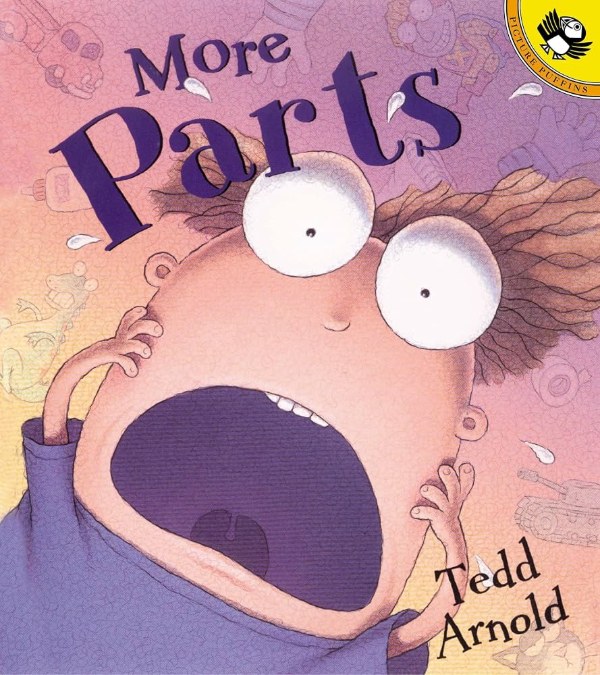
More Parts by Tedd Arnold
Get the book on Amazon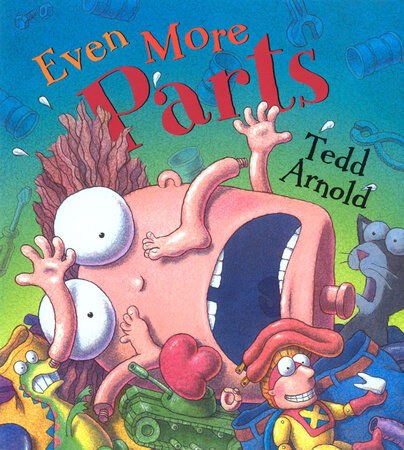
Even More Parts by Tedd Arnold
Get the book on AmazonI also love to use the chapter book Punished! by David Lubar as a read-aloud, so we can talk about all the puns in the book as we go.
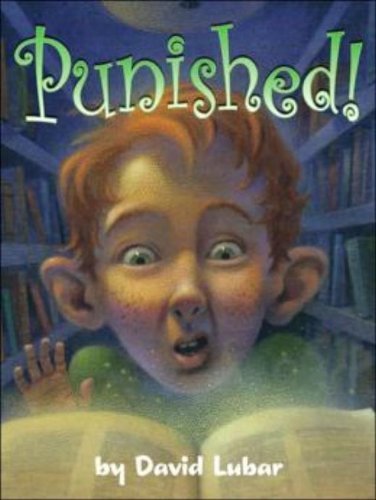
Punished! by David Lubar
Get the book on AmazonWhat happened nextMy students started using idioms and puns in their writing and conversation. They also loved telling me “you’re so punny!” when I made a groan-worthy remark.
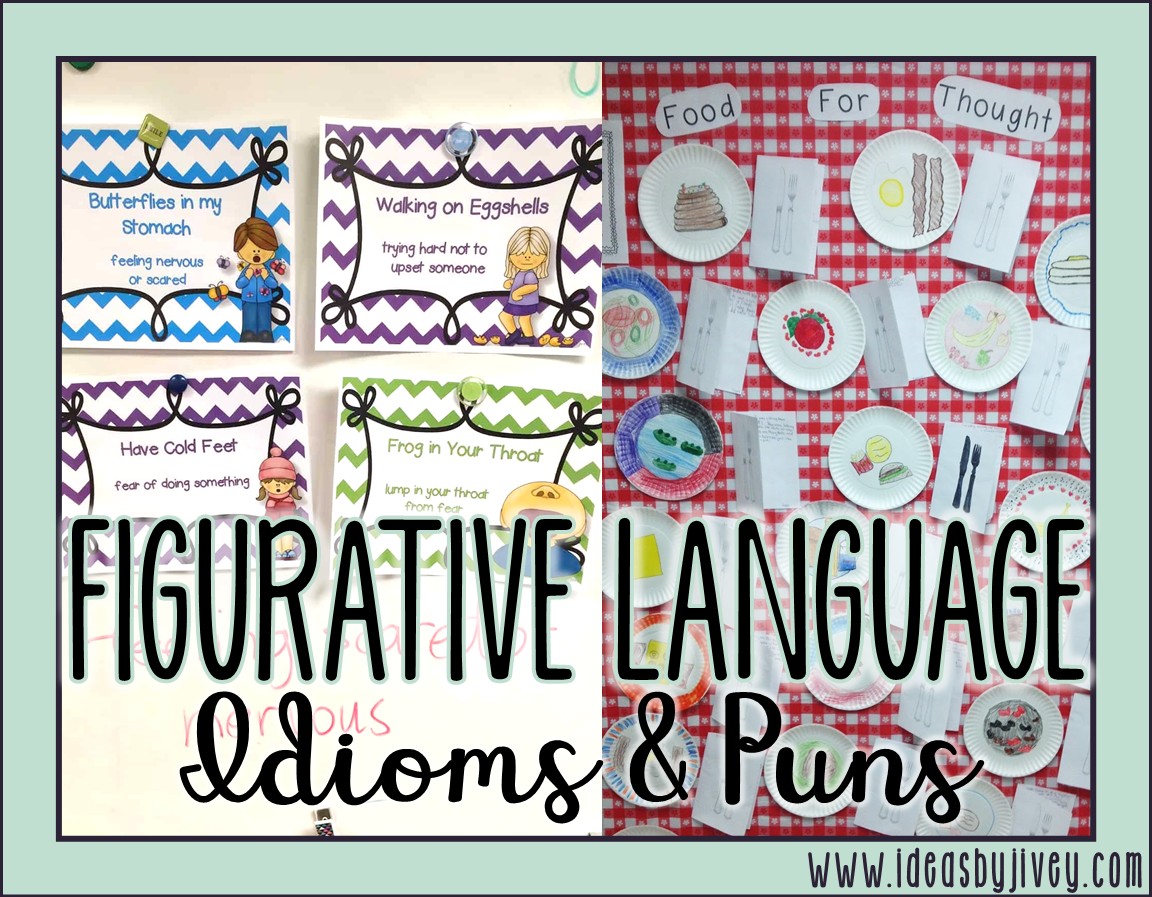
I liked to introduce one or two idioms a week, starting at the beginning of the year. Each idiom got a poster, and we grouped idioms that share a meaning. For example, these four are all about being scared or nervous:

Idiom posters grouped by meaning on the wall

The same four idioms in a student notebook
I picked those four for a reason. My class was finishing stories about being trapped in a snow globe, and most of their characters felt scared or nervous. We went over these four posters, and students figured out what the idioms had in common while they took notes on a flipbook. Then I challenged them to add one idiom to their snow globe story as they revised. Most of them did, and some already had one! You can see how the stories started in my snow globe writing post.
Matching games can get a little boring, so I turned our idiom matches into a quick whole-group game. I split the cards into five sets of six idioms, gave each group a set, and gave them one minute to match each idiom to its meaning. Then I told each group how many they had right, but not which ones, so they had to talk it through and decide what to change. My kids loved it!


My Idioms Activities for grades 3-6 include a color poster for each of 30 idioms, two matching games for centers, 6 interactive notebook activities, a matching assessment, and a written test.
See the idiom posters and activitiesOne spring, my class made a Food for Thought bulletin board (an idea I borrowed from Joanne at Head over Heels for Teaching). Each student chose a “food” figurative language phrase, like “piece of cake” or “spill the beans,” and had to show its meaning through their writing instead of telling it.
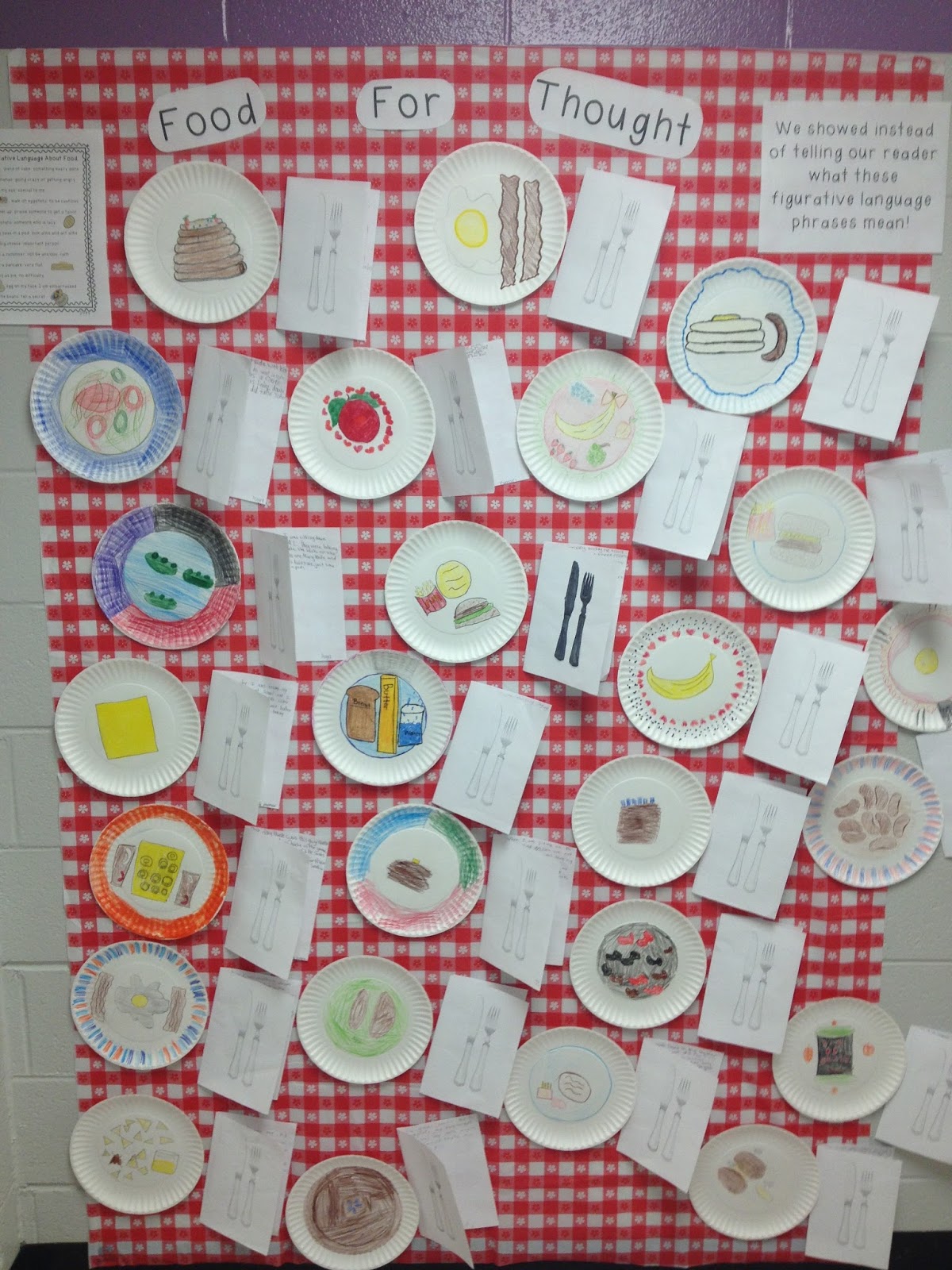
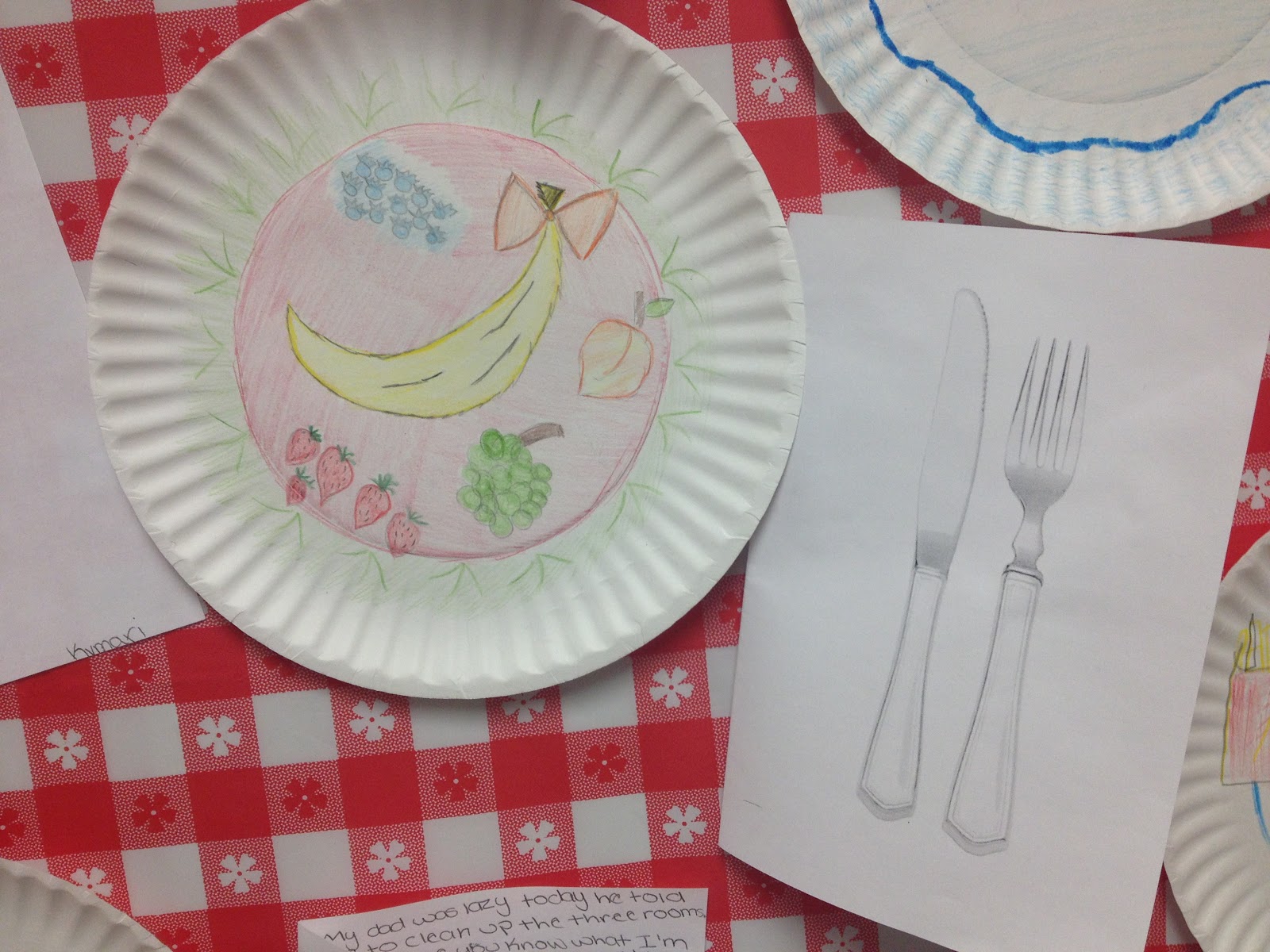
First, they drew the food from their phrase on a paper plate:
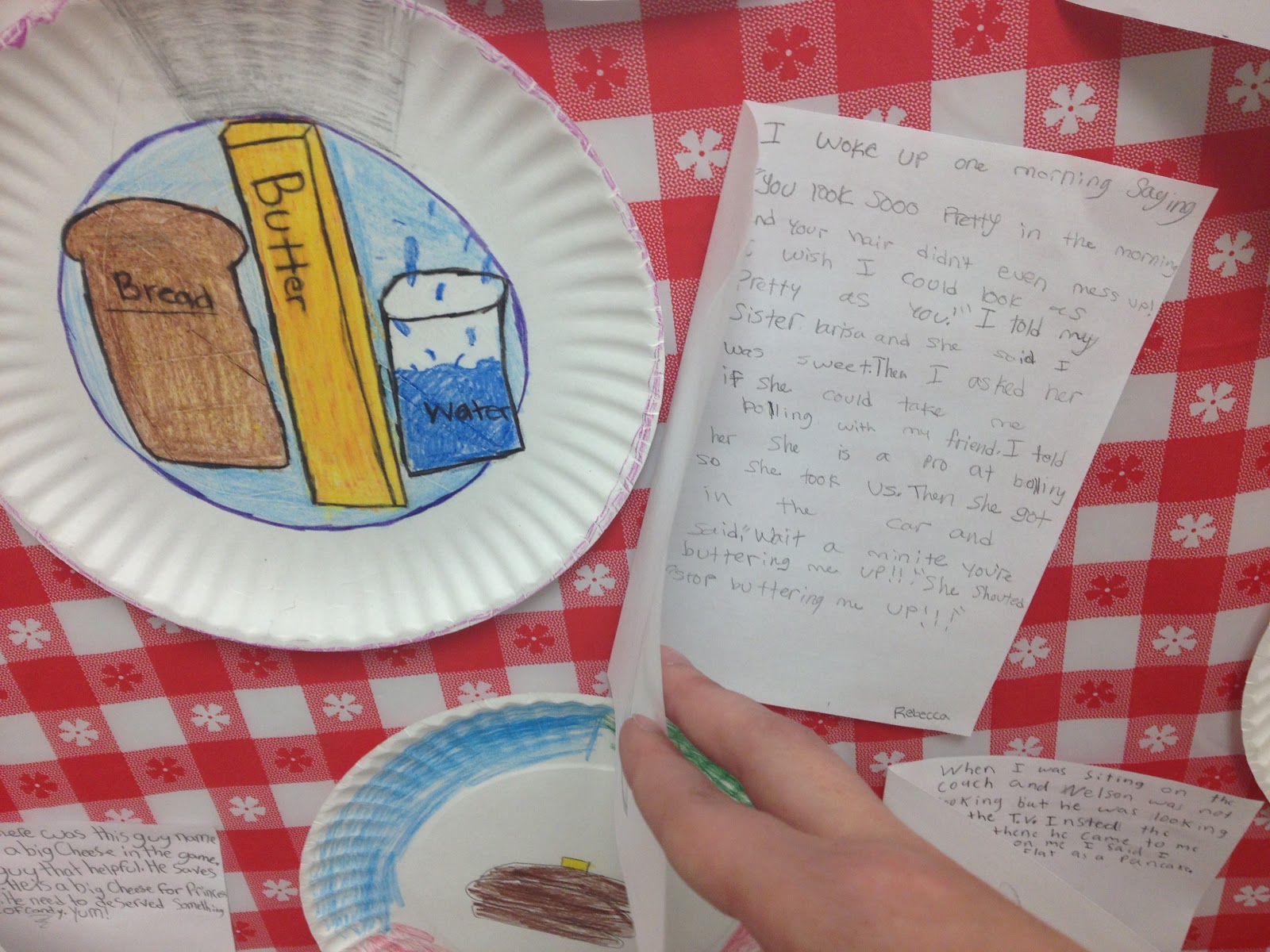
Then, inside their “napkin,” they wrote a paragraph that shows what the phrase means:
We talked about the meanings before they chose, and then they kept the list in their writing folders to use later in their own writing. My kids had so much fun with it!

Grab the free list my students picked from: 13 food phrases, like “piece of cake,” “couch potato,” and “spill the beans,” each with its meaning.
Get the free food phrases list