
These books about explorers carried my social studies units from Columbus in 1492 to Lewis and Clark in 1804. Each book gave my students a story to react to, and each one led to writing: an opinion piece on Columbus, a persuasive brochure for Ponce de León, and notebook responses for the Lewis and Clark expedition. Here are the books, what my students wrote, and the resources that go with them.
This post contains affiliate links to books on Amazon. As an Amazon Associate, I earn from qualifying purchases, at no extra cost to you.
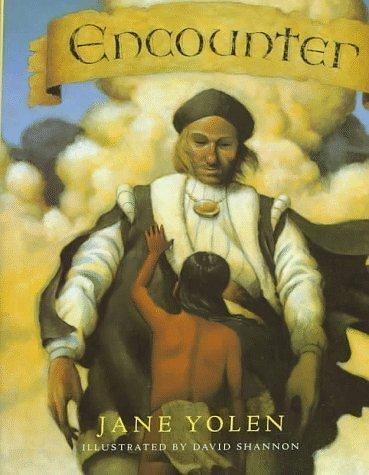
Encounter by Jane Yolen, illustrated by David Shannon
Get the book on AmazonEncounter tells the story of Columbus’s landing from the point of view of a young Taíno boy. It’s historical fiction, but it’s based on what really happened, and it gives students the perspective their textbook usually leaves out. I could go on and on about this book for reading and language arts skills, too.
Encounter is one of the books in my Volume 3 curriculum. The mentor sentence (similes) is in Mentor Sentences Volume 3, Unit 1, and the reading and writing activities are in Better Than Basal Volume 3.
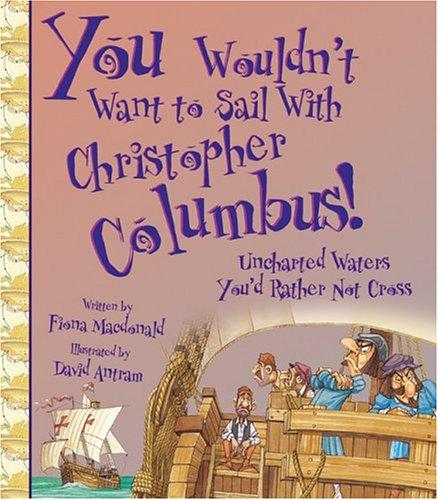
You Wouldn’t Want to Sail with Christopher Columbus! by Fiona MacDonald
Get the book on AmazonThis one is funny and packed with details about life on board the ships, so students get a lot of facts without feeling like they’re reading a textbook. Its mentor sentence (adjectives) is in Mentor Sentences Volume 2, Unit 4.
It also works as a mentor text for opinion writing. The whole book makes the case for why you wouldn’t want to sail with Columbus, so it’s a great example of how to support an opinion with reasons. Students can use it as a model to write about anything they wouldn’t want to do, not just exploring. I share more books like this in my post on opinion writing mentor texts.
Once students have read about Columbus from more than one point of view, they’re ready to take a side. Our big question for the week’s writing piece was: Is Christopher Columbus a hero or a villain?
TipGive students at least two points of view before they write. Encounter is the one most textbooks skip.
Here are a few of their quick writes. They were off to a great start!
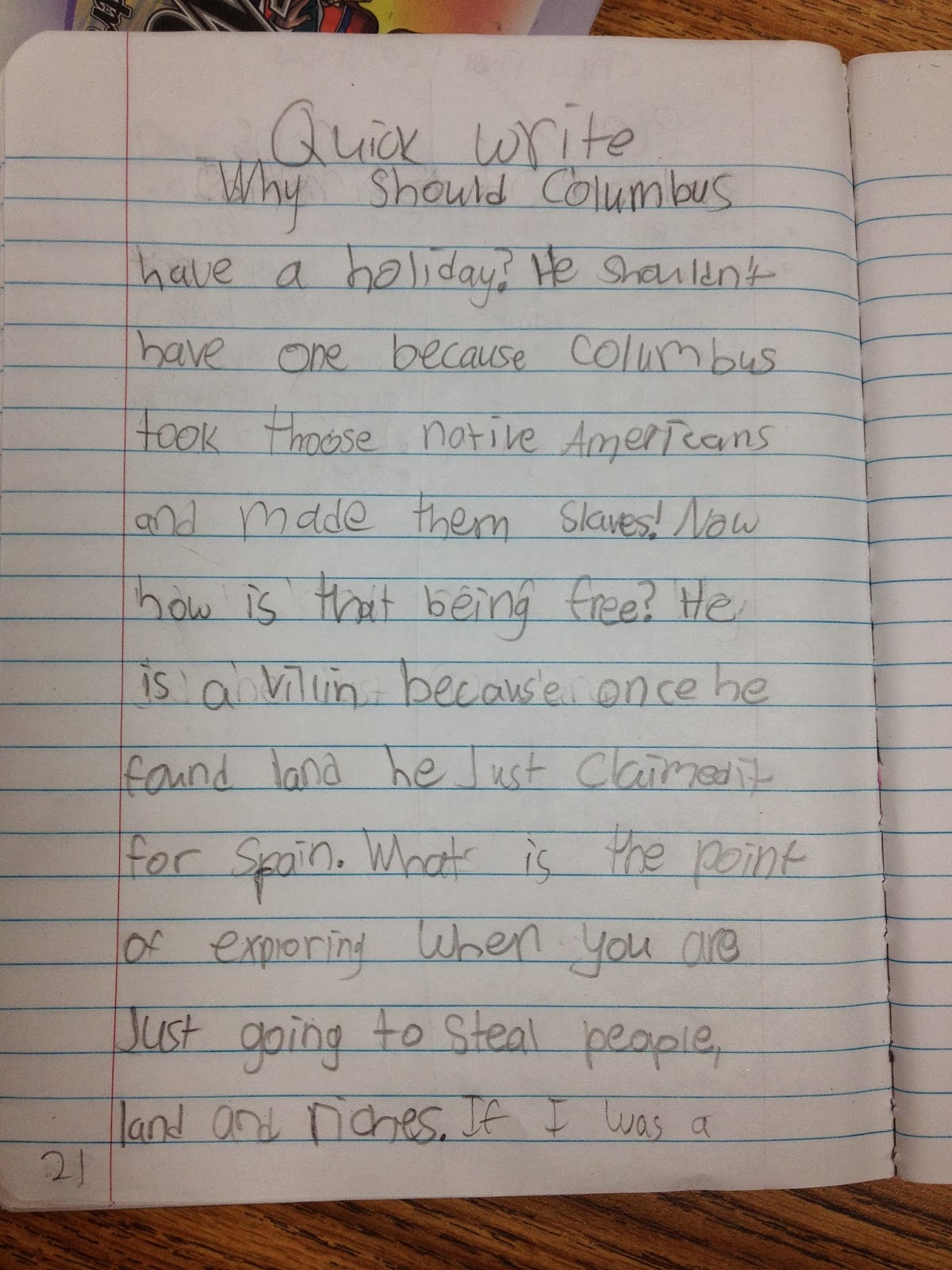
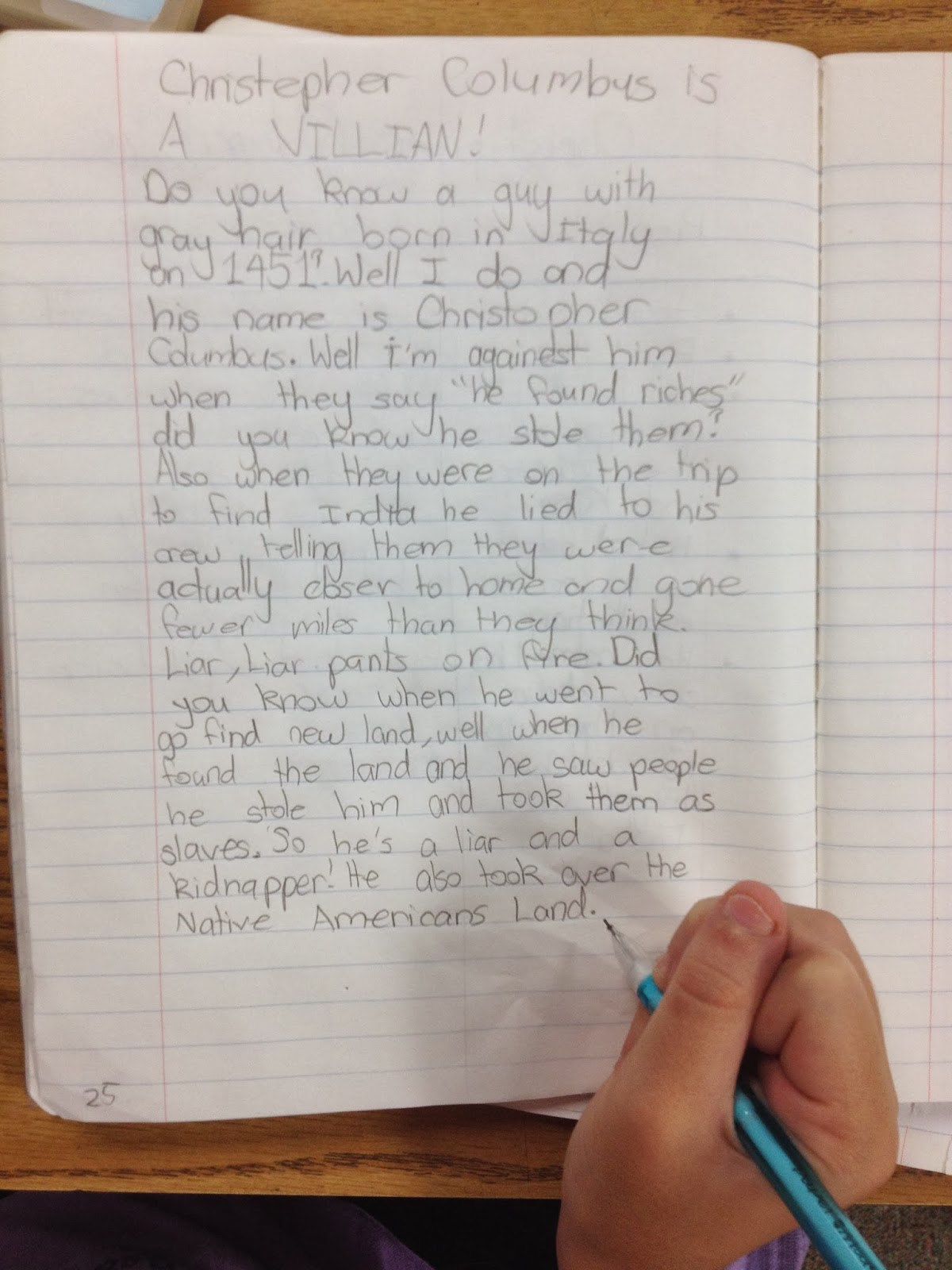
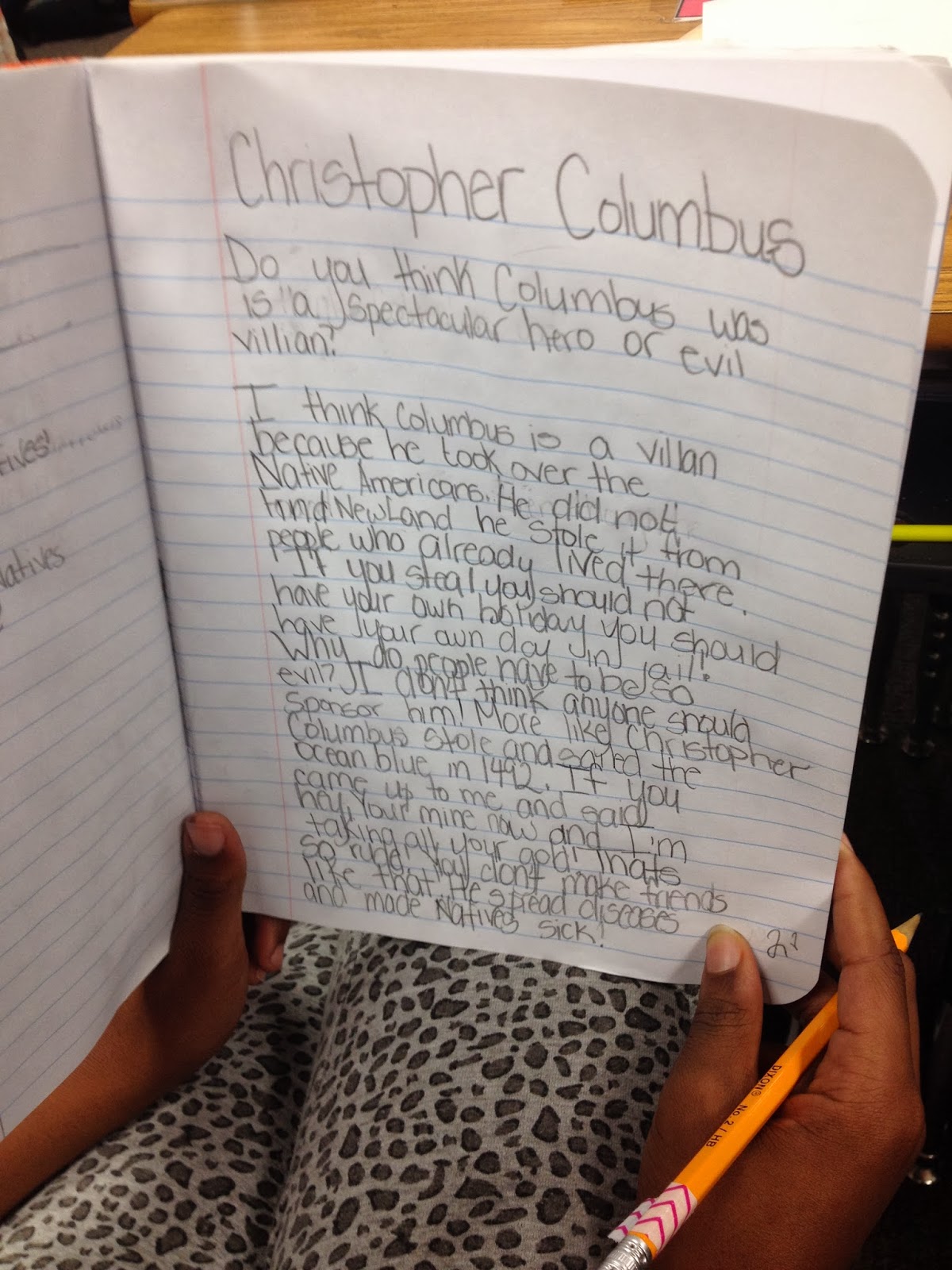
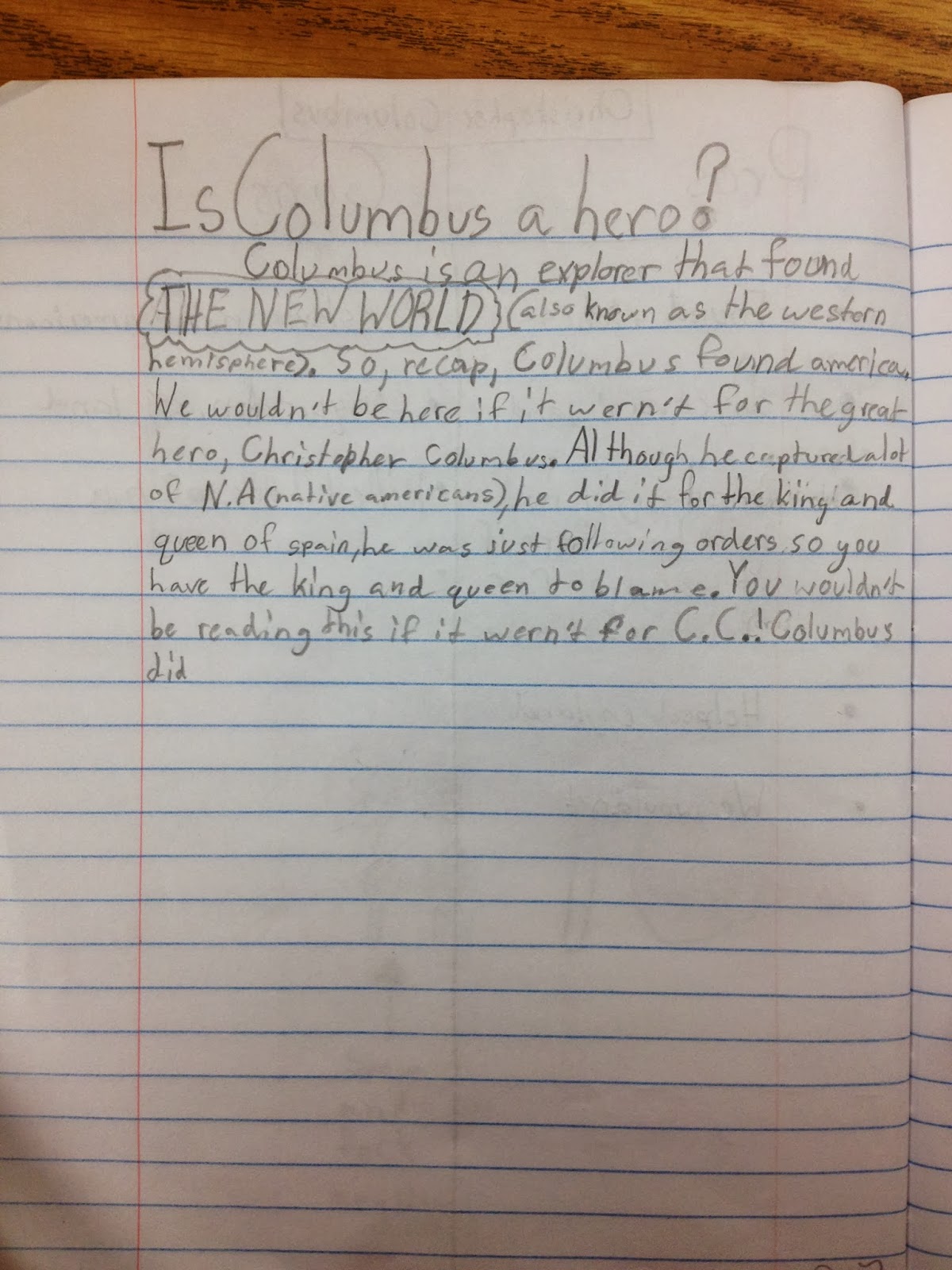
The Columbus passage and organizer in this notebook come from my European Explorers activities. The unit has short summary passages on eight explorers and topics, from the Northwest Passage to Henry Hudson, with a graphic organizer for each, map activities, compare and contrast pages, and an opinion writing prompt.

For more picture books that model this kind of writing, see my opinion writing mentor texts.
The unit also includes the next explorer my students studied: Juan Ponce de León.
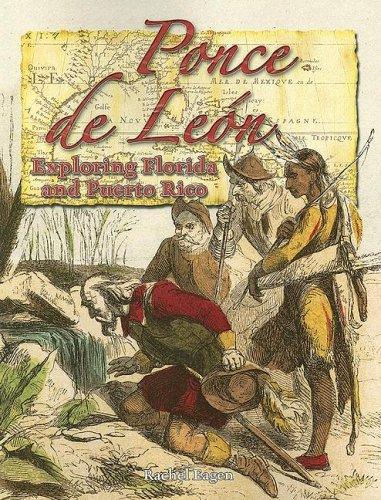
Ponce de León: Exploring Florida and Puerto Rico by Rachel Eagen
Get the book on AmazonThis book from the In the Footsteps of Explorers series covers his voyages to Puerto Rico and Florida, life on board the ships, and his encounters with the Taíno and the Calusa. The Taíno connection ties it right back to Encounter.
For writing, my students made a brochure advertising Ponce de León’s return trip to Florida. Their job was to convince people to join his crew and sail with him again, using what they had learned about his first voyage.
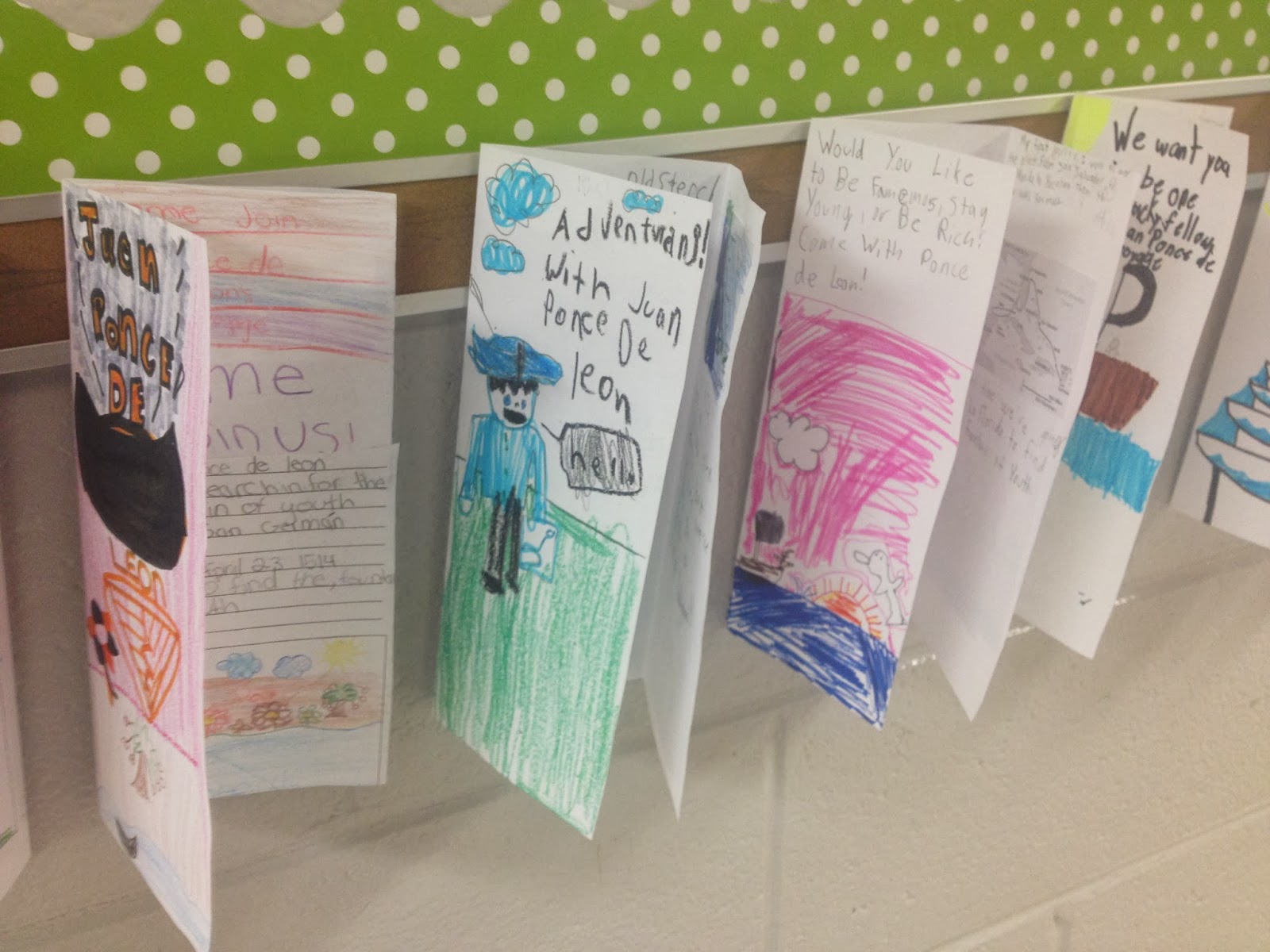
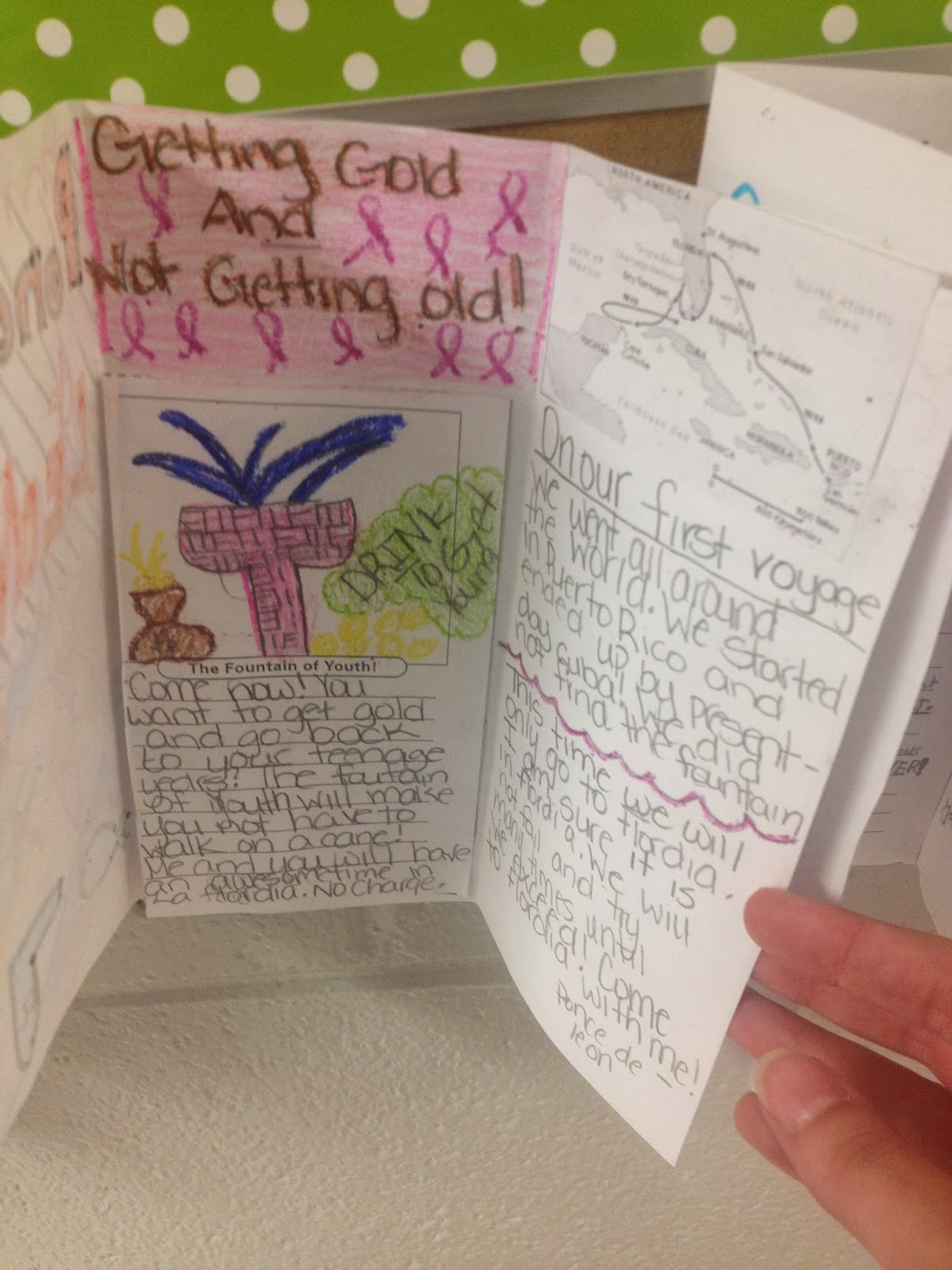
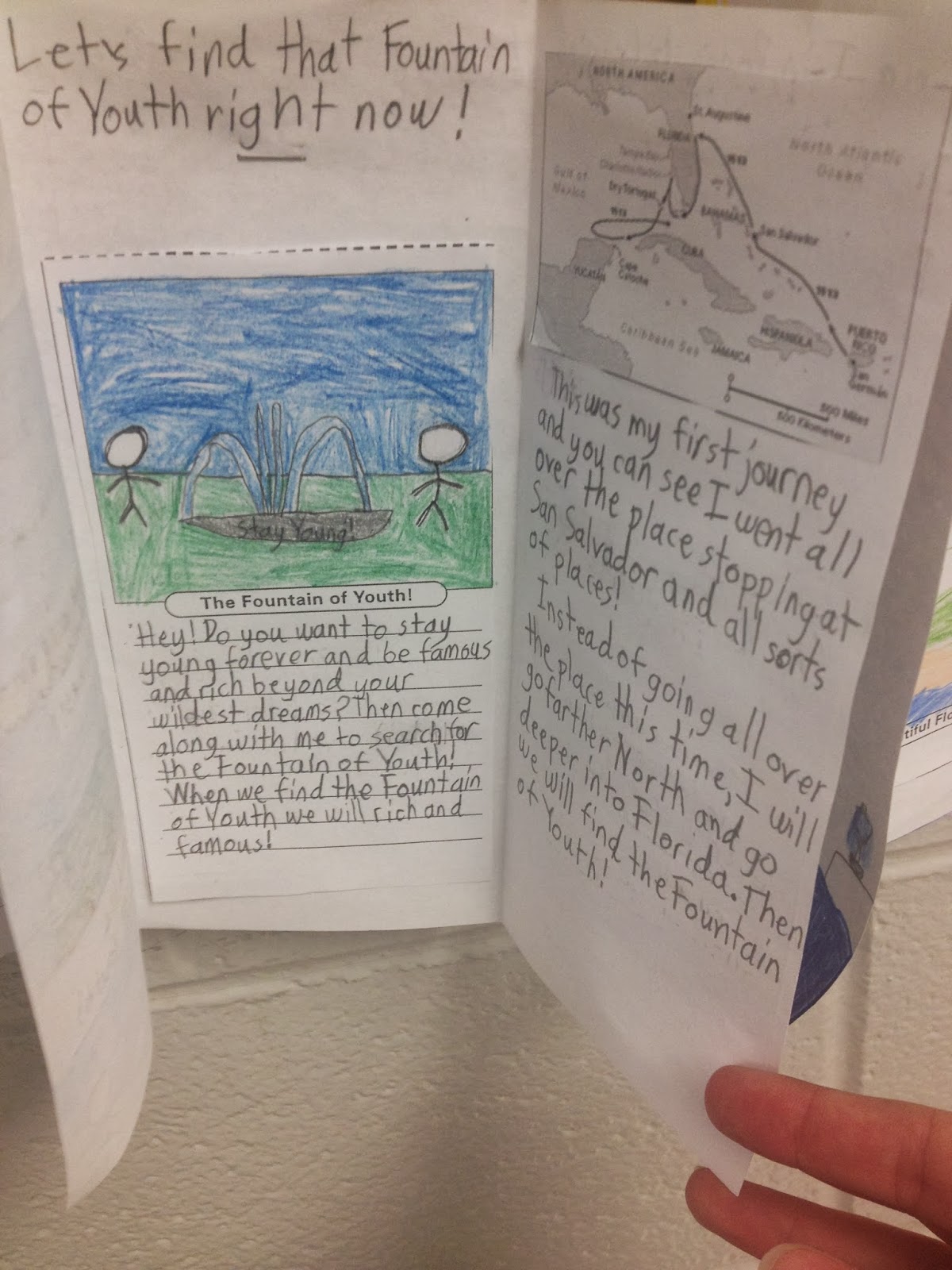
One student remembered our talk about conquistadors searching for gold and worked that into her brochure. Another wrote paragraphs under his map comparing the first trip to the next one.
My students also wrote about the Fountain of Youth. Historians now think that story was attached to Ponce de León after he died, so if I taught it again, I’d treat the fountain as a legend and have students persuade with the reasons explorers really sailed, like land and gold.
Any explorerThis brochure works with any explorer in your unit.
For students who want more about him, Who Was Ponce de León? is a chapter book biography from the Who Was series.
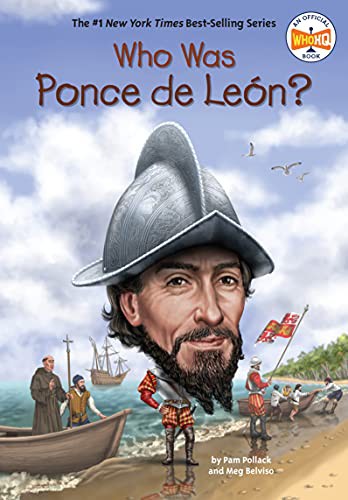
Who Was Ponce de León? by Pam Pollack and Meg Belviso
Get the book on AmazonMy students loved the Who Was books, and the series is a great way to get kids reading nonfiction. They found this next one on their own, without any prompting from me, as we were finishing westward expansion.
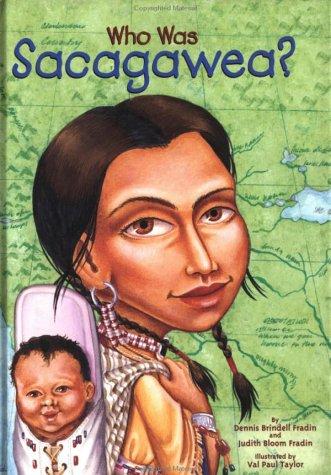
Who Was Sacagawea? by Judith Bloom Fradin and Dennis Brindell Fradin
Get the book on AmazonSacagawea was a teenager carrying a baby on her back when she traveled with the Lewis and Clark expedition. This book helps students understand why she’s still remembered today, more than 200 years later.
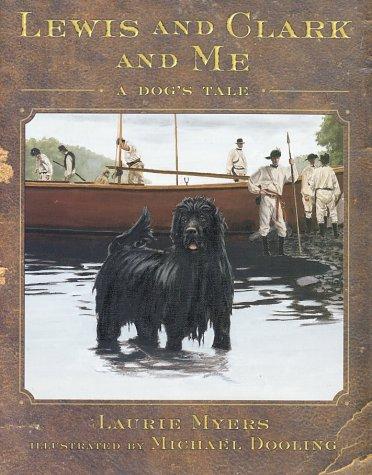
Lewis and Clark and Me: A Dog’s Tale by Laurie Myers
Get the book on AmazonAuthor Laurie Myers visited our school, which is how I first heard of this book. It’s historical fiction told by Seaman, Meriwether Lewis’s dog, and much of it is based on the expedition’s actual journals. It’s a chapter book, but at 64 pages, it makes a read-aloud you can finish in a week or two. My students got so excited about the expedition through Seaman’s eyes that they always wanted me to keep reading.
You can also dig into point of view, author’s purpose, and personification. Its mentor sentence (vivid verbs) is in my Westward Expansion Mentor Sentences, along with four more westward expansion books.
Before reading, students need background on the expedition. My Louisiana Purchase, Lewis and Clark, and Sacagawea reading passages tell the story of the Louisiana Purchase, the expedition, and Sacagawea, with reading skill activities and a map activity.
The Sacagawea passage in that unit worked well for interactive note taking. Students keyed each paragraph with a different colored pencil, then wrote phrases and drew pictures about that paragraph in the same color on the left side of their notebook. Afterward, they answered questions about the passage.


Notebook tipI printed two passages on one page, so students glued a half sheet into their notebooks and wrote reactions and questions around it.
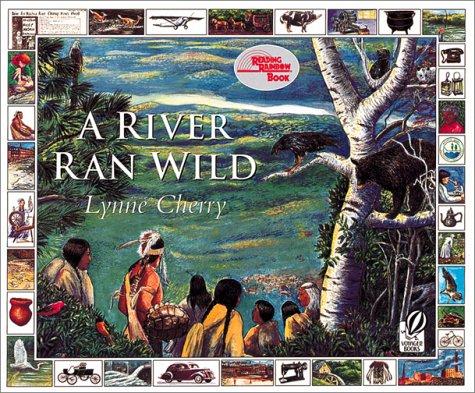
A River Ran Wild: An Environmental History by Lynne Cherry
Get the book on AmazonThis one isn’t about a single explorer, but it shows what happened to the land after them. It follows the Nashua River from the Native Americans who settled on its banks, to the colonists who built mills, to the cities that polluted it, and on to the people who worked to clean it up. I used it with a social studies standard about how people changed the environment over time, and it works for sequencing, too.
Its mentor sentence is in Mentor Sentences Volume 2, Unit 4, and the reading activities are in Better Than Basal Nonfiction.
These are the resources that go with the books in this post. When your class moves on to the Oregon Trail, the Gold Rush, and the Pony Express, my westward expansion paired passages pick up where Lewis and Clark leave off.


