
Space picture books help students picture things they can’t see from the backyard, like craters on the moon or what it would be like to visit another planet. Here are three space mentor texts I used with my students, the activity I paired with each one, and the free pages and resources that go with them.
This post contains affiliate links to books on Amazon. As an Amazon Associate, I earn from qualifying purchases, at no extra cost to you.
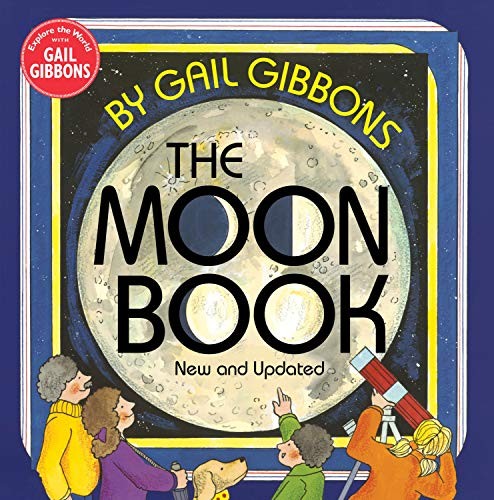
The Moon Book by Gail Gibbons
Get the book on AmazonGail Gibbons is one of my favorite science mentor text authors, and this book doesn’t disappoint. It’s a great overview of all things lunar, with great illustrations. I paired it with a strategy I learned in my gifted endorsement class: inductive learning. Students sort words into categories they create themselves, before you teach the topic, so they get creative and work together.
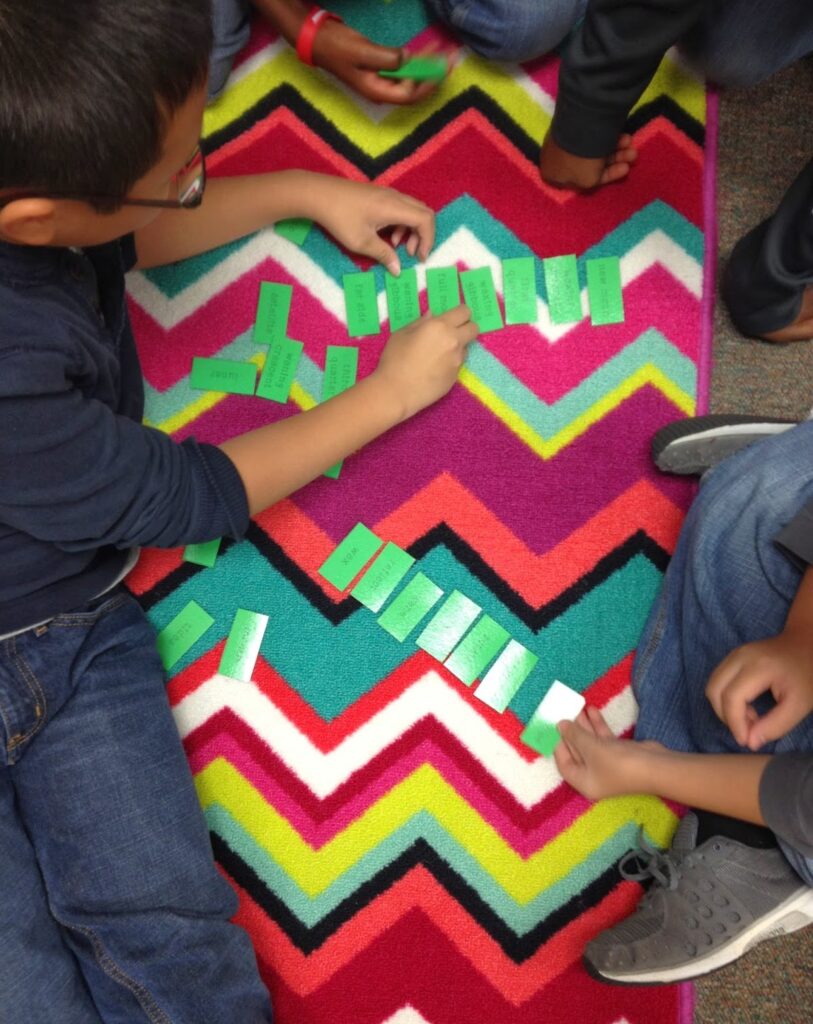
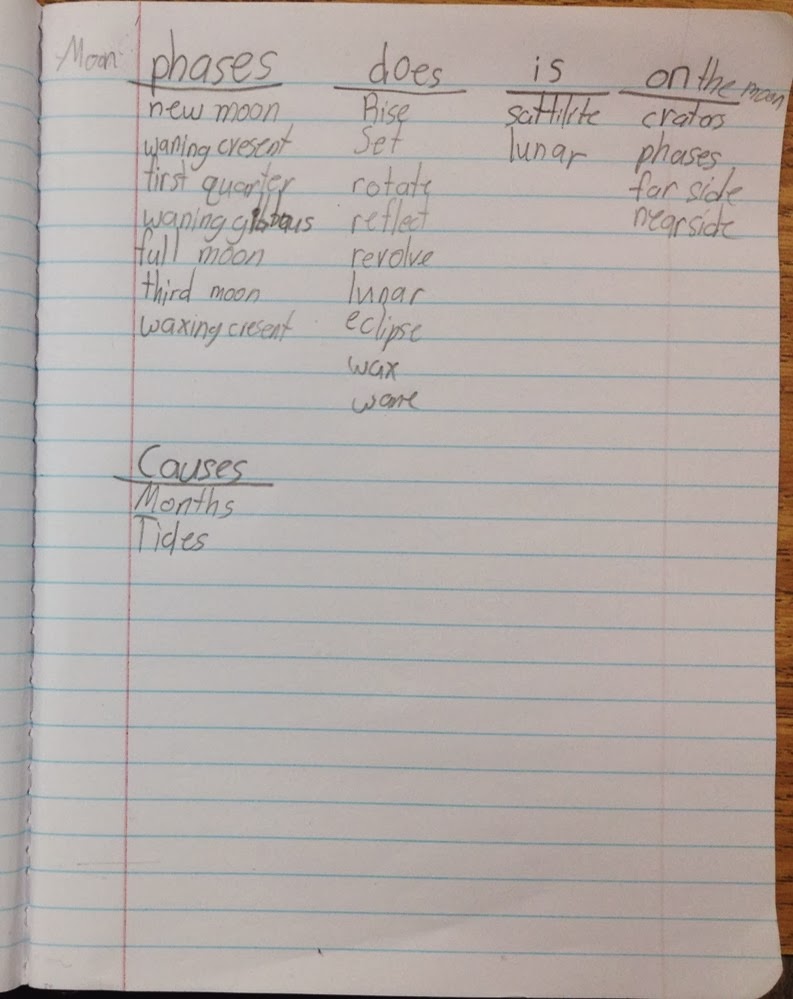
Free moon word cards to print on cardstock for the sort.
Get the free cardsFor a book that explains the phases, pair the sort with The Moon Seems to Change.
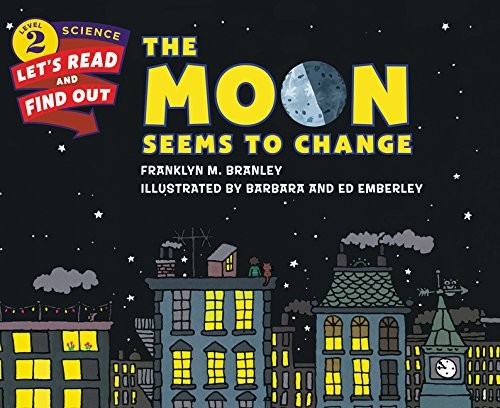
The Moon Seems to Change by Franklyn M. Branley, illustrated by Barbara and Ed Emberley
Get the book on AmazonHere’s what a few students wrote, word for word:
The category I picked is what the moon has. The words are near side, far side, crater, phases, wane, and wax. You might be puzzled as to why I picked wane and wax it’s because the moon has waxing and waning phases.
My group I will share is causes and in my group are tides, lunar, eclipse, and month. The moon causes high tides and low tides. The moon is the cause of lunar eclipses.
The catockory I chose is what the moon does the words that are in that catockory are moon set, rotate, reflect, revolve, and moon rise.
How great is that spelling of “category”?
DifferentiateGive some groups the categories, or give them fewer cards to sort.
The Moon Book is one of the books in my Gail Gibbons mentor sentences unit, along with her book Stargazers.
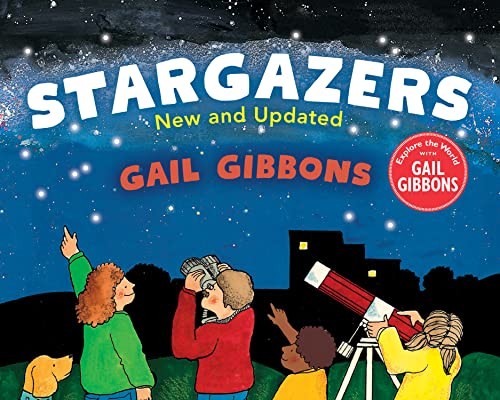
Stargazers by Gail Gibbons
Get the book on Amazon
Postcards From Pluto: A Tour of the Solar System by Loreen Leedy
Get the book on AmazonSix kids take a guided tour of the solar system and send postcards home from each stop. It’s a quick, easy read. It’s marketed for grades 1-3, but my 4th graders LOVED it. My copy was from 1993, so we had a conversation about why Pluto is no longer considered a planet. There’s a revised edition now.
I read it near the end of our solar system unit. Then students made giant postcards from the planet they had become an expert on, written as if they were visiting it. To show why a list of facts falls flat, I read them a beach postcard: “I’m at the beach. There is a lot of sand. The water has waves. Wish you were here!” That usually got the point across.
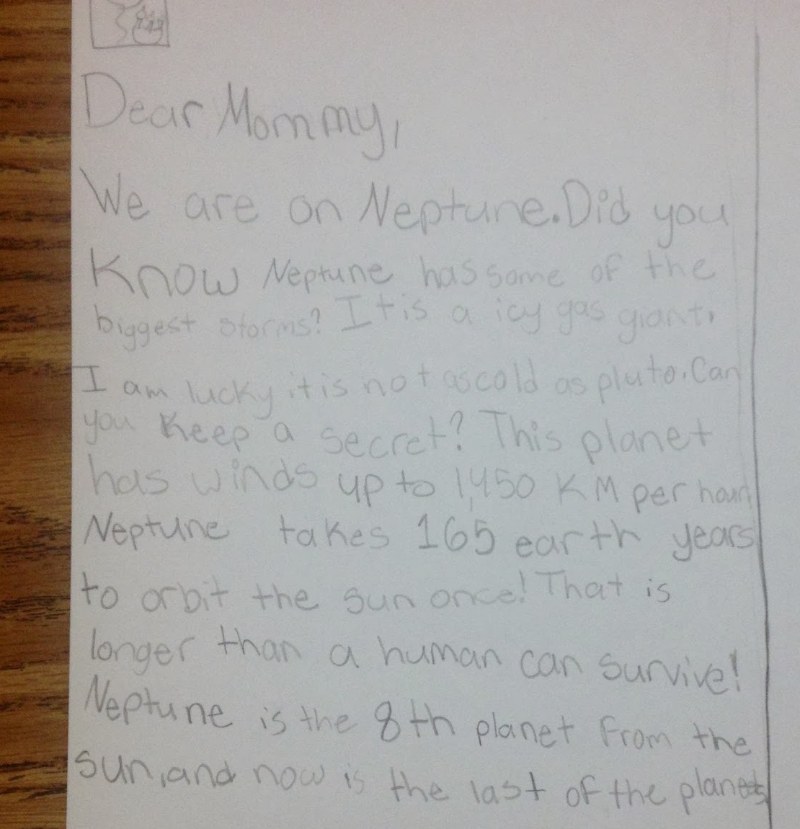
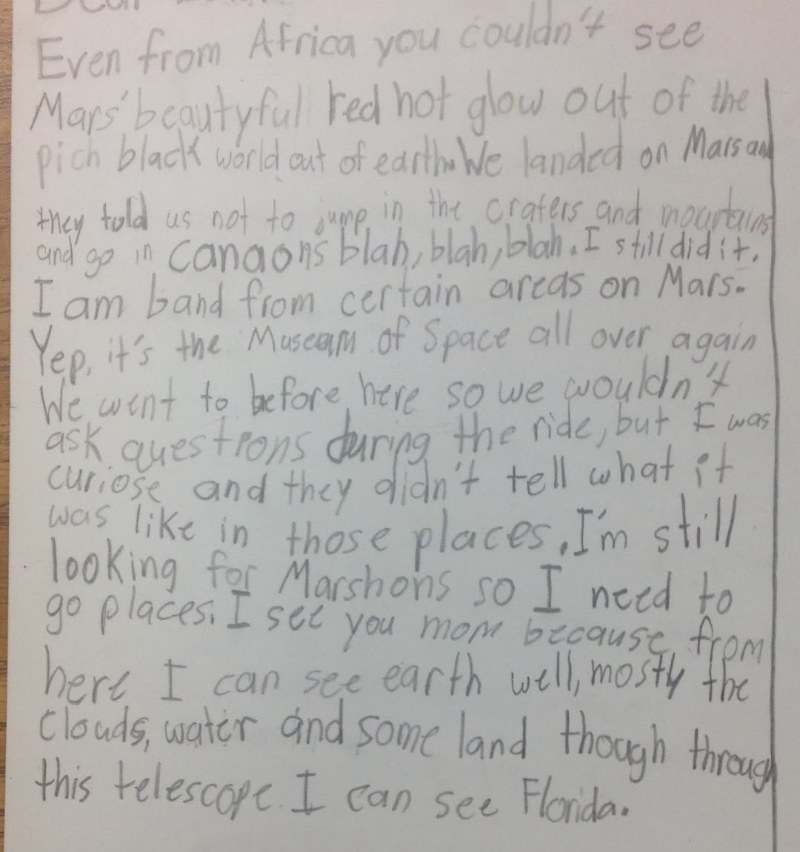
Focus on voiceThe kids in the book make their postcards fun. Point that out, so students write with voice instead of just listing facts.
Postcards From Pluto is one of the ten nonfiction books in my Mentor Sentences Volume 2, Unit 4. The reading and writing activities for it are in Better Than Basal Nonfiction, and its tier 2 words are in the Volume 2, Unit 4 vocabulary companion.
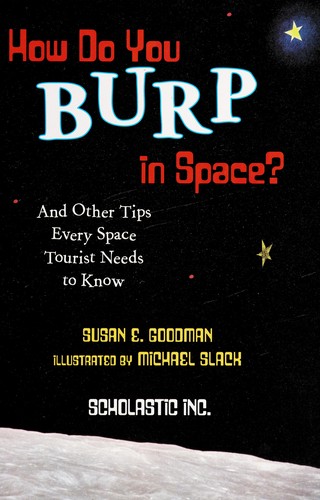
How Do You Burp in Space? And Other Tips Every Space Tourist Needs to Know by Susan E. Goodman, illustrated by Michael Slack
Get the book on AmazonThis book is a guide for space tourists: what to pack, where you sleep (in a sleeping bag attached to the wall), and what to do for fun. My students actually fought over who got to read it first! It got me thinking about how fun it would be for students to create a travel brochure for another planet, so I planned a whole outer space day.
The passage, fact cards, space math, and brochure are all in my solar system activities.
Free brochure brainstorm page for planning a travel brochure to another planet.
Get the free pageBeyond the read alouds, these two projects got my students reading, writing, and researching about space. We also sang along to Mr. Parr’s solar system songs, which my students loved.
Each student became an expert on one planet. They used our science textbook to find details, recorded them on an Important Book organizer, and then wrote a page that started with the most important thing about their planet. I used Joanne Miller’s Important Book Template, and each page became the introduction paragraph for a longer piece later. We also put the pages together as a class book.
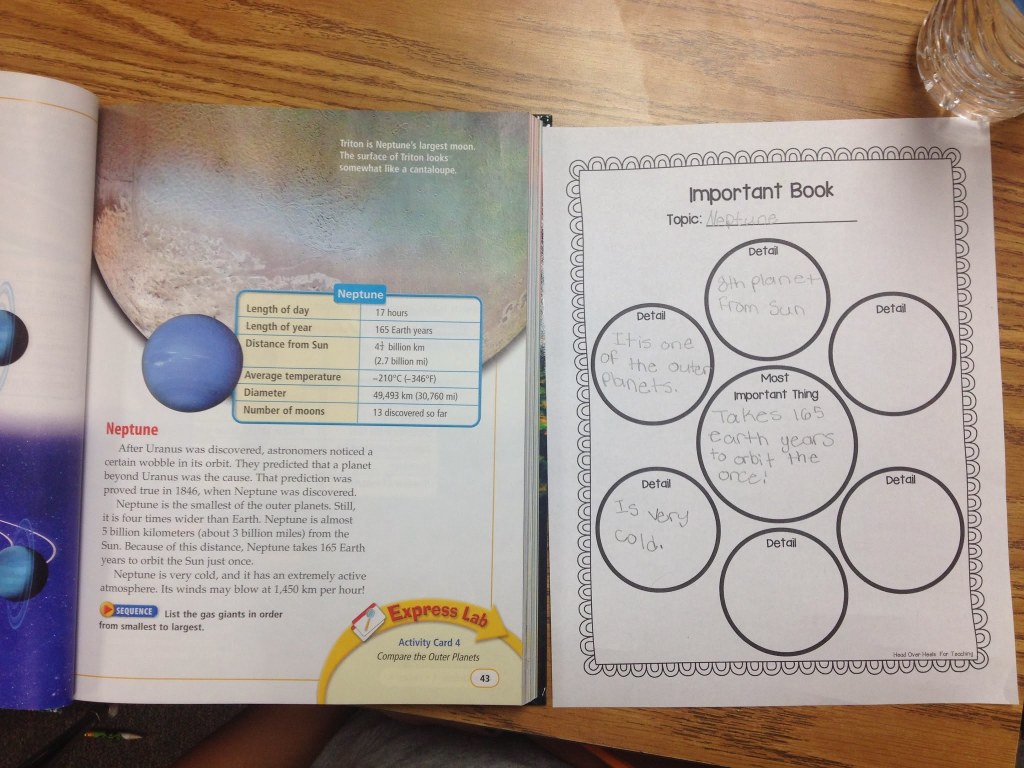
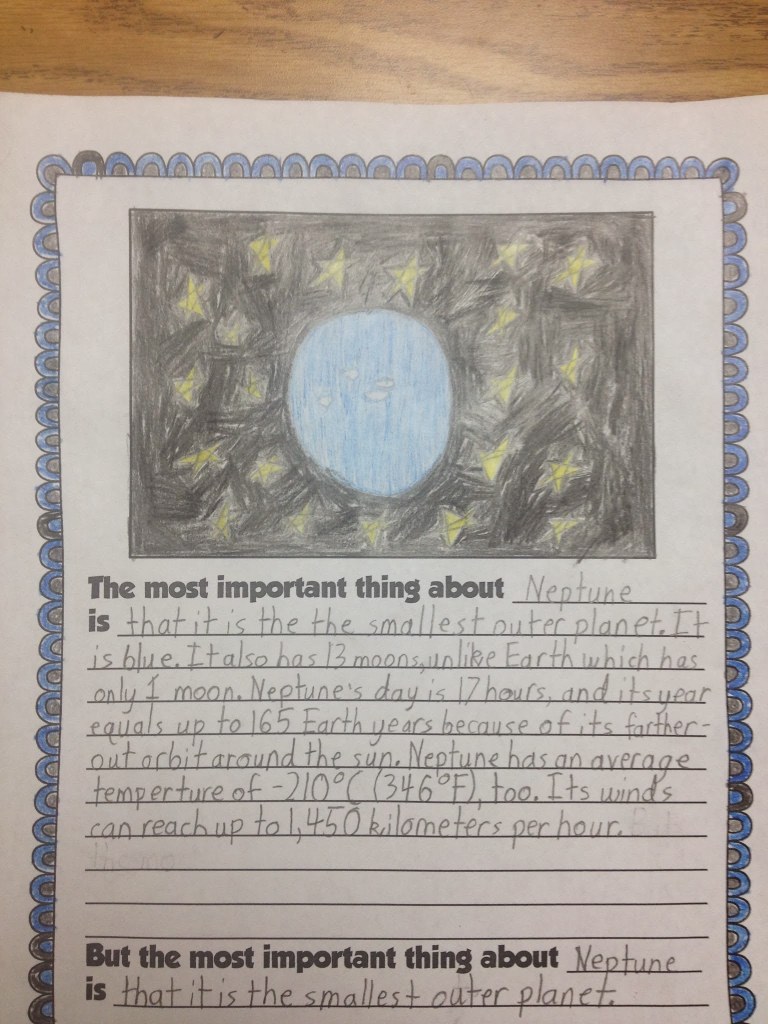
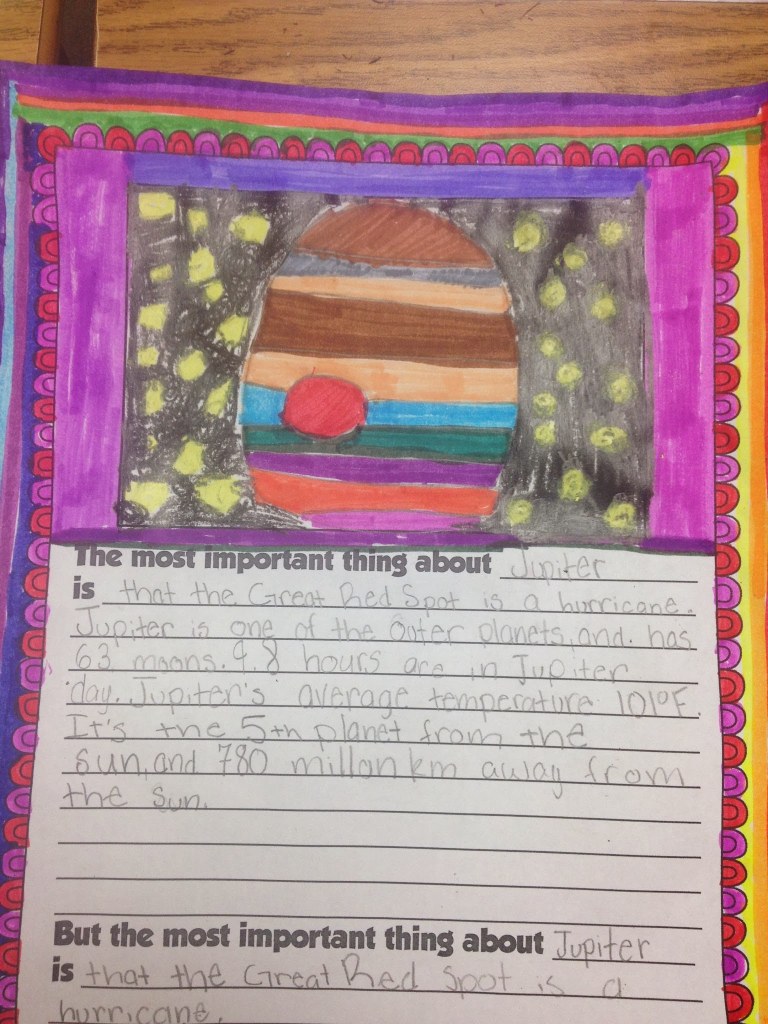
That planet expertise carried right into the Postcards From Pluto postcards.
For inquiry circles, students gave me their top three solar system topics, and I grouped them in threes and fours by interest. Each group wrote three questions to research, then found the answers in library books and our district’s online research library.
Each group then planned how to teach the class what they learned. Some made posters, some built models, one wrote a play, and one even wrote a song. They came up with these ideas on their own and even brought supplies from home.
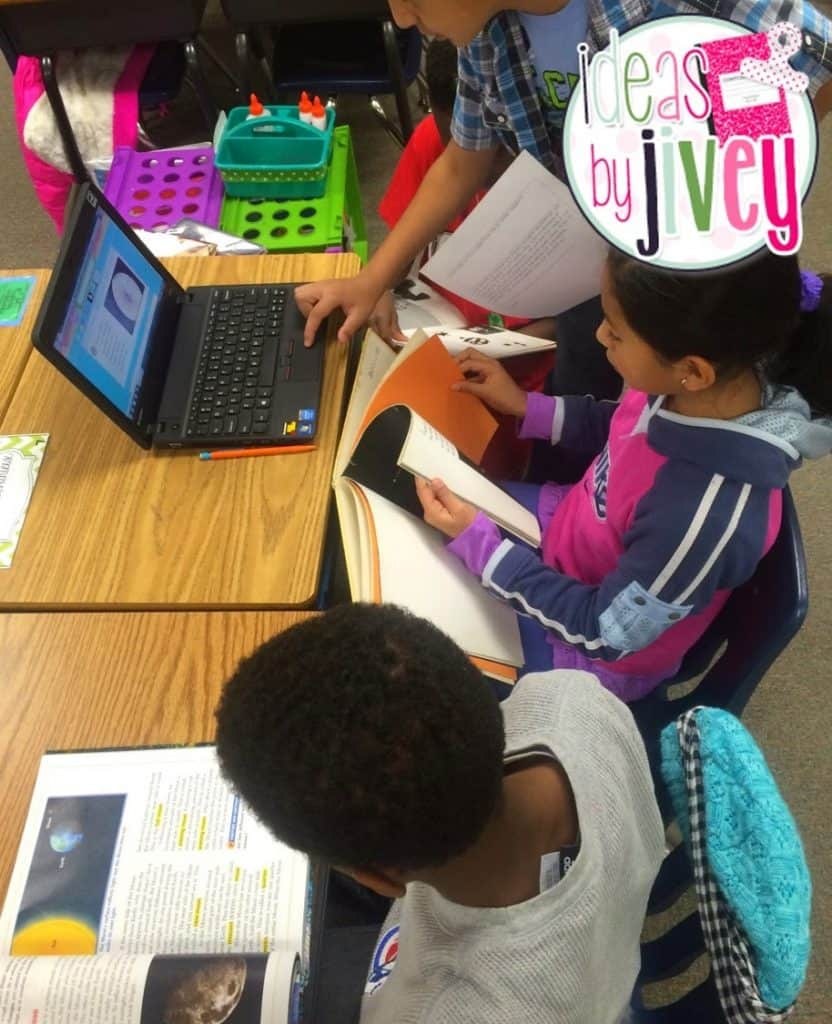
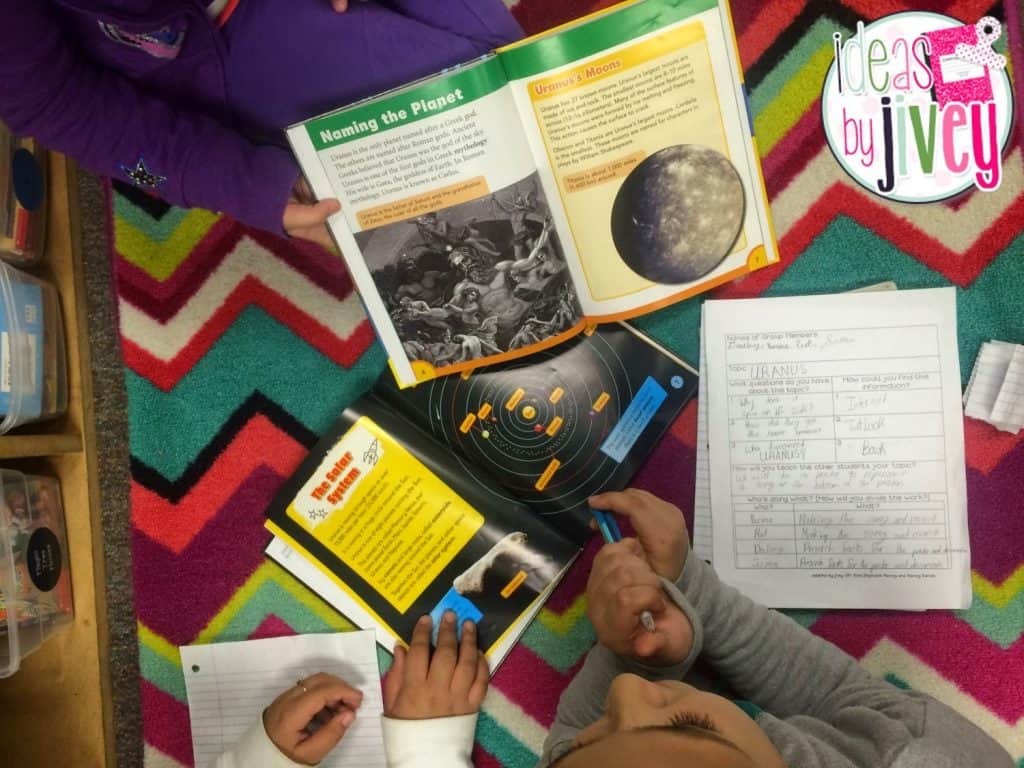
Let students chooseGrouping by the topics students picked kept every group invested in its questions.
For a free set of passages, grab my Earth’s rotation and revolution paired texts for grades 4-6. Teaching the moon in the primary grades? Try my weather, seasons, and moon bundle for grades 1-2.


