
Math picture books help students “see” ideas that are hard to picture, like how big a million really is or what an obtuse angle looks like. Here are six math mentor texts I used with my upper elementary students, for place value, division, measurement, and geometry, with the activity I paired with each one.
This post contains affiliate links to books on Amazon. As an Amazon Associate, I earn from qualifying purchases, at no extra cost to you.
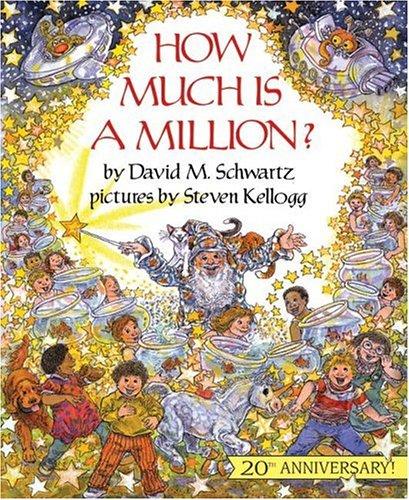
How Much Is a Million? by David M. Schwartz, illustrated by Steven Kellogg
Get the book on AmazonPlace value and number sense just don’t come easily to some students. At ALL. Part of the problem is that they can’t “see” the numbers. This book helps with that: a magician named Marvelosissimo shows a group of kids how long it would take to count to a million, and how big a fishbowl would have to be to hold a million goldfish.
Before reading, I gave my students a quick formative assessment to see how they pictured numbers. They had five minutes to show 1,000 any way they could: models, pictures, numbers, or words.
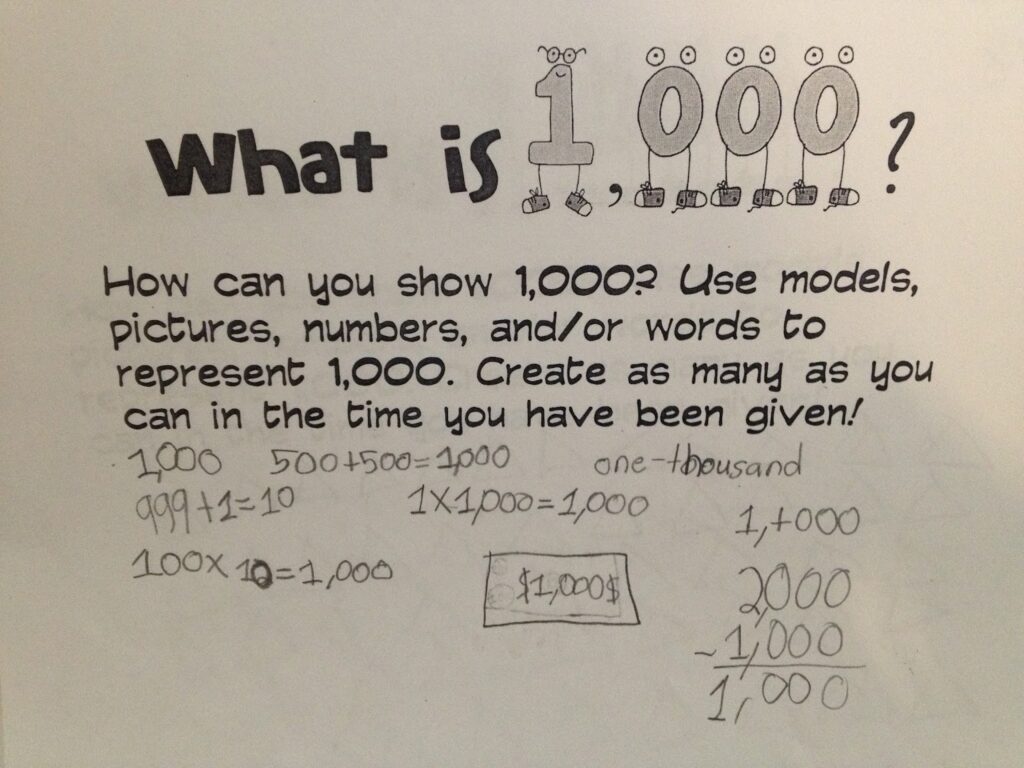
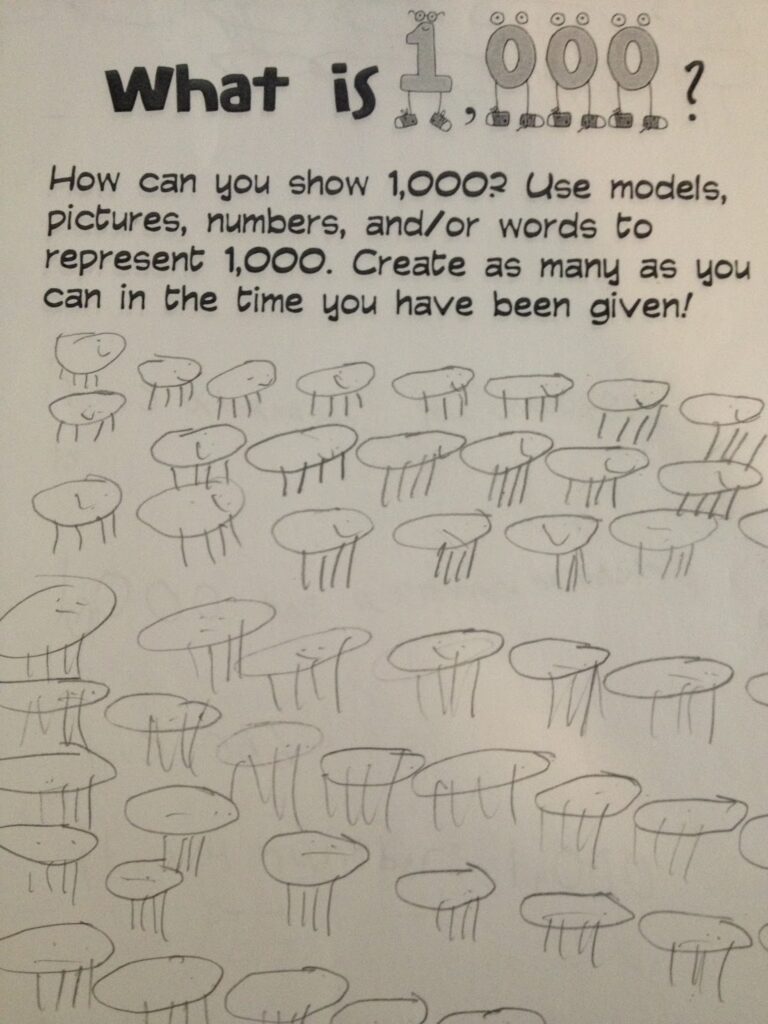
What it showed meOne student could build 1,000 with equations but never showed what he “saw.” Another thought he could draw 250 four-legged animals in five minutes.
This check is part of my 4th grade place value unit, and How Much Is a Million? is one of the ten books in my math mentor sentences unit.
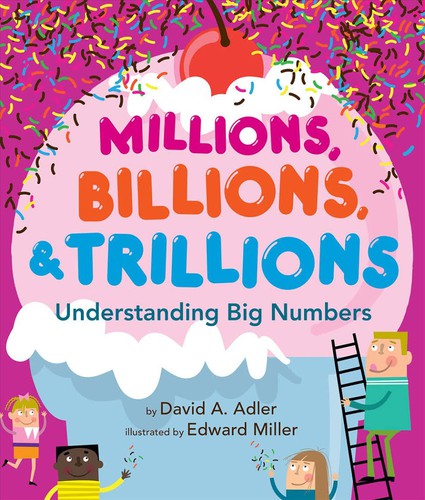
Millions, Billions, and Trillions by David A. Adler, illustrated by Edward Miller
Get the book on AmazonI love the way this book helps students picture HUGE numbers. I even brought in a quarter cup of sugar so students could see this example for themselves.
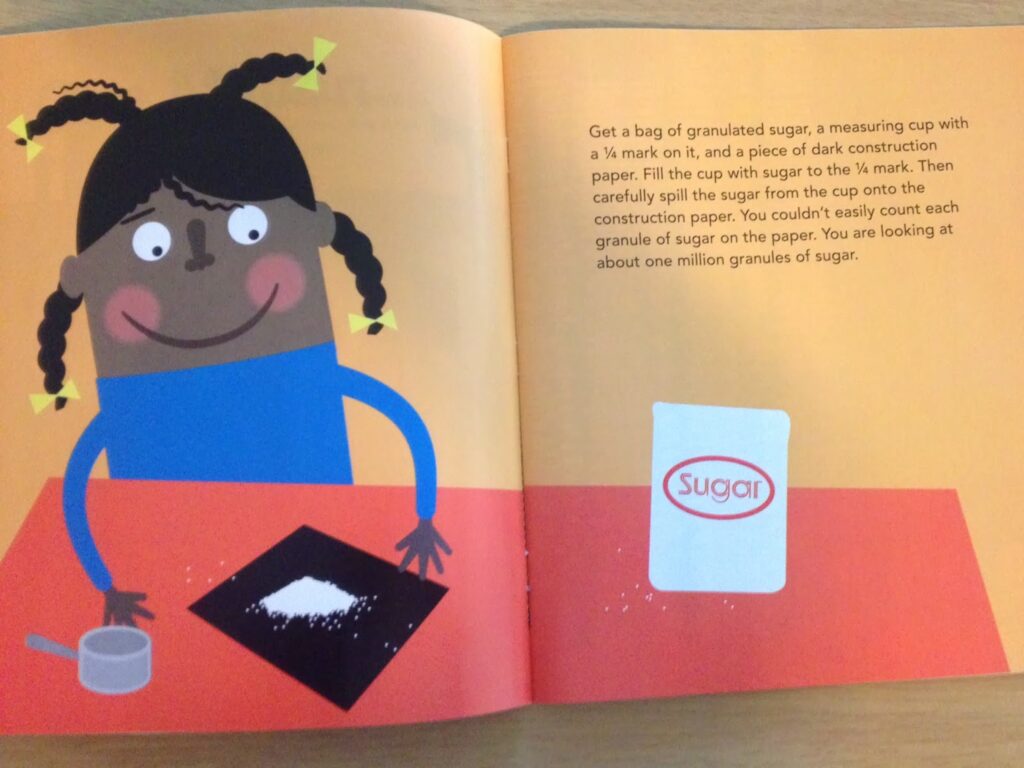
Pages like this one led to great talks. We figured out that our school didn’t have 10,000 people, so there were fewer than a billion hairs in the whole building.
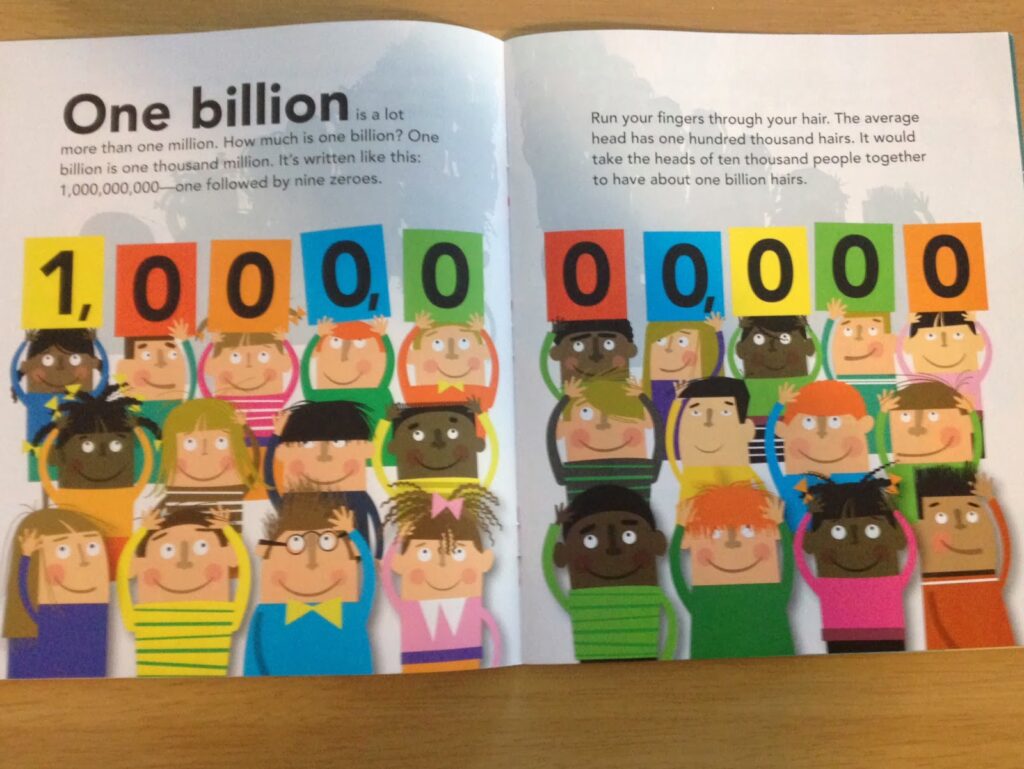
And of course, what kid doesn’t want to think about money?
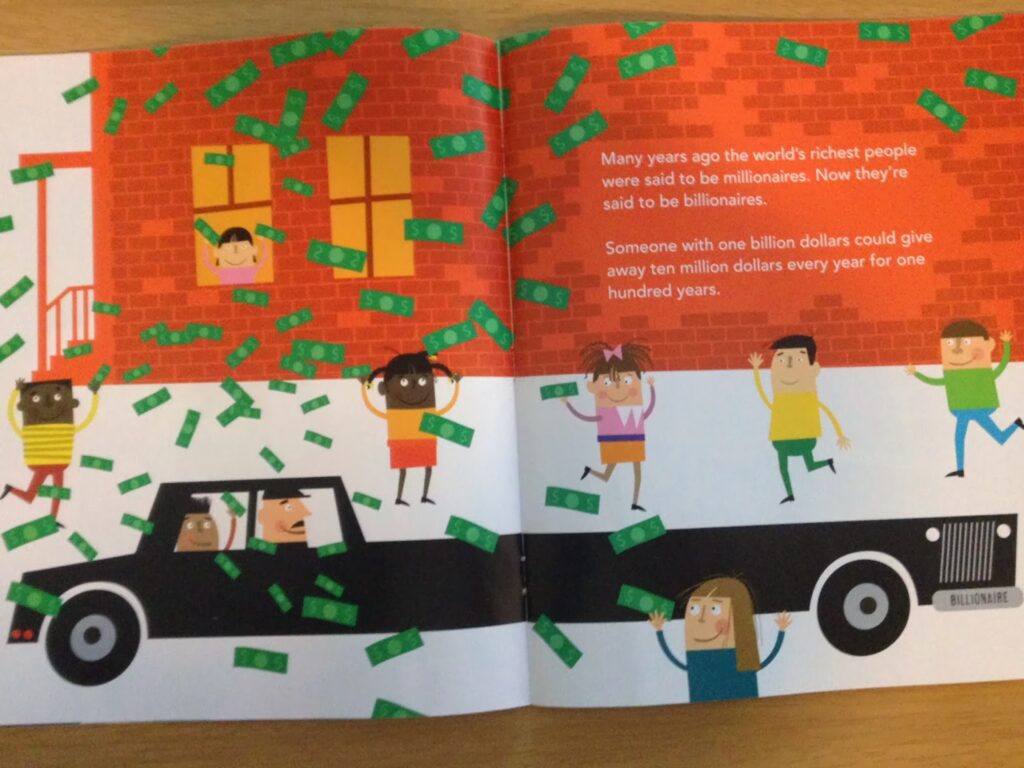
Students didn’t need to work with numbers past a million, but seeing billions and trillions made a million feel a lot more real.
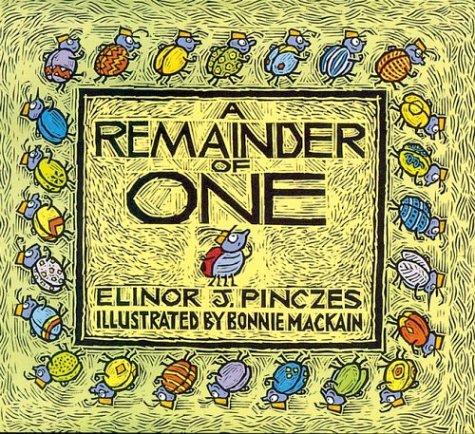
A Remainder of One by Elinor J. Pinczes
Get the book on AmazonA Remainder of One is short enough to read during a math mini-lesson about remainders. Joe the beetle keeps getting left out of the parade because he’s the remainder, until the squadron finally lines up in rows that divide evenly. My students completed an interactive notebook activity alongside the story. That lesson is in my Math Mentor Sentences and Interactive Notebook Activities, which work in math and during writing.
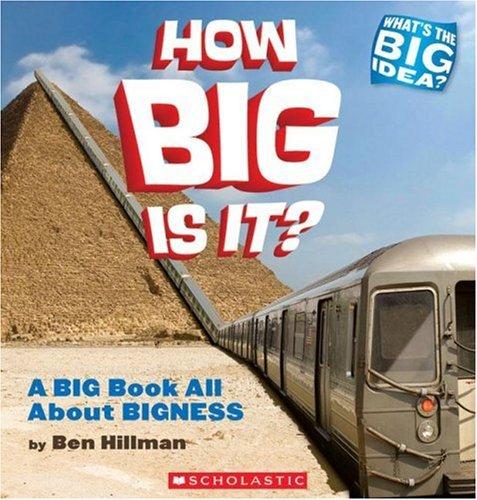
How Big Is It? by Ben Hillman
Get the book on AmazonMy students usually knew HOW to measure. What they didn’t have was a sense of size. I can’t tell you how many times a student wanted to measure a pencil in pounds or a football field in miles!
This book compares things kids have a feel for with things they’ll probably never see, like a polar bear next to basketball players or a giant squid next to a house. It’s full of data for comparing sizes.
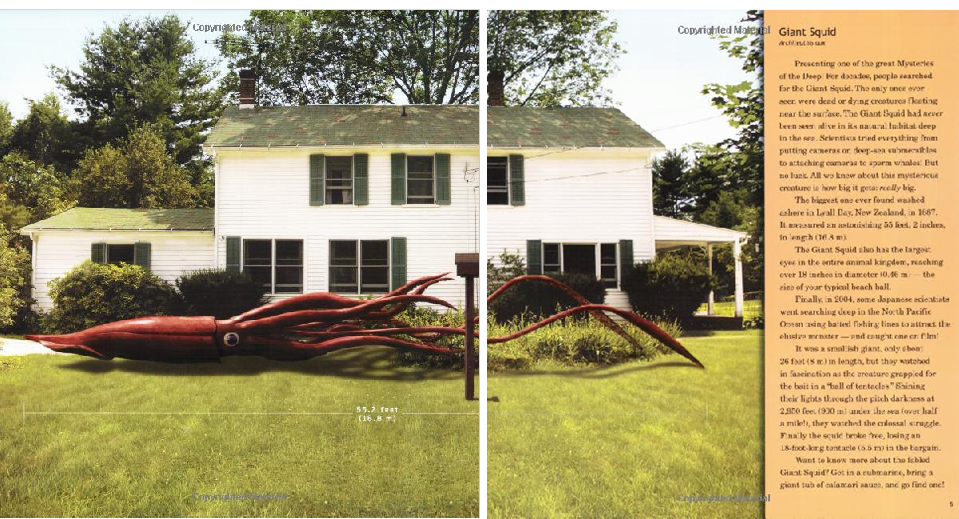
I read one or two pages a day and let students solve problems about what they saw, like how they could figure out the length of one squid tentacle.
Try thisAfter reading, have students sort units into weight, length, capacity, and time, then put each column in order from smallest to largest.
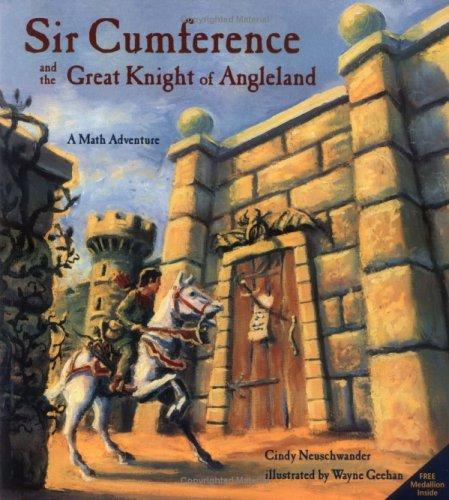
Sir Cumference and the Great Knight of Angleland by Cindy Neuschwander, illustrated by Wayne Geehan
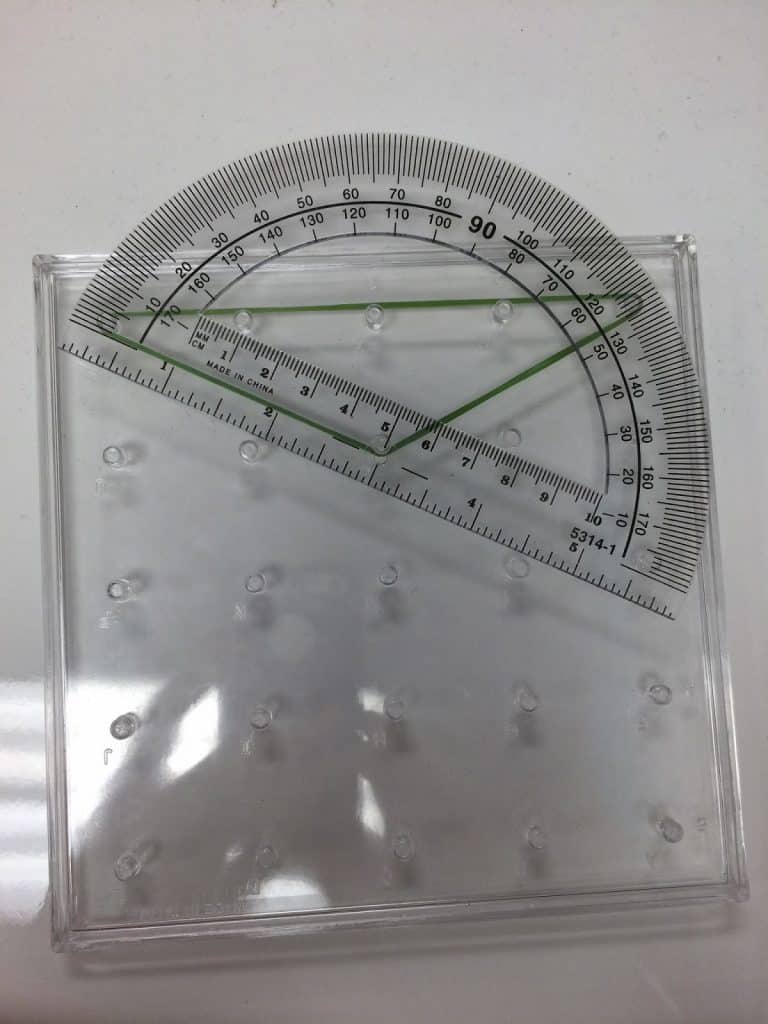
Get the book on AmazonCindy Neuschwander has a whole series of math adventure books, and this one is perfect for angles. Radius wants to become a knight. Sir D’Grees teaches him to make a “knightly right angle,” then double it into a straight angle. On his quest to rescue the missing king, Radius uses a circular medallion (a protractor!) and follows directions built on acute, right, and obtuse angles.
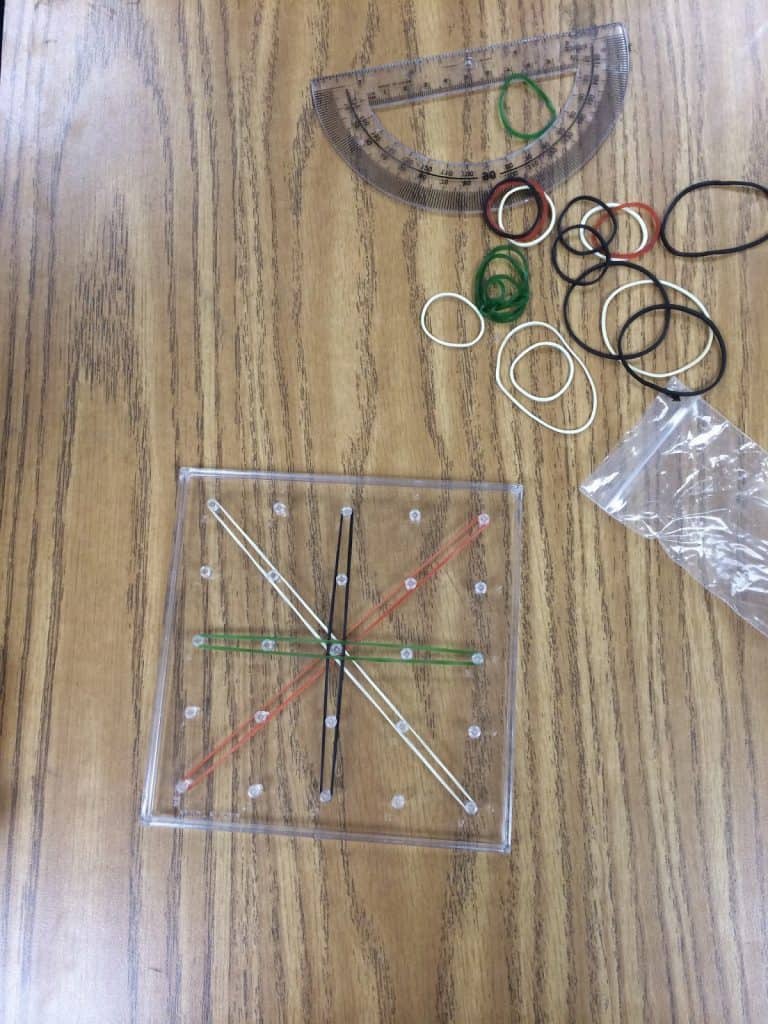
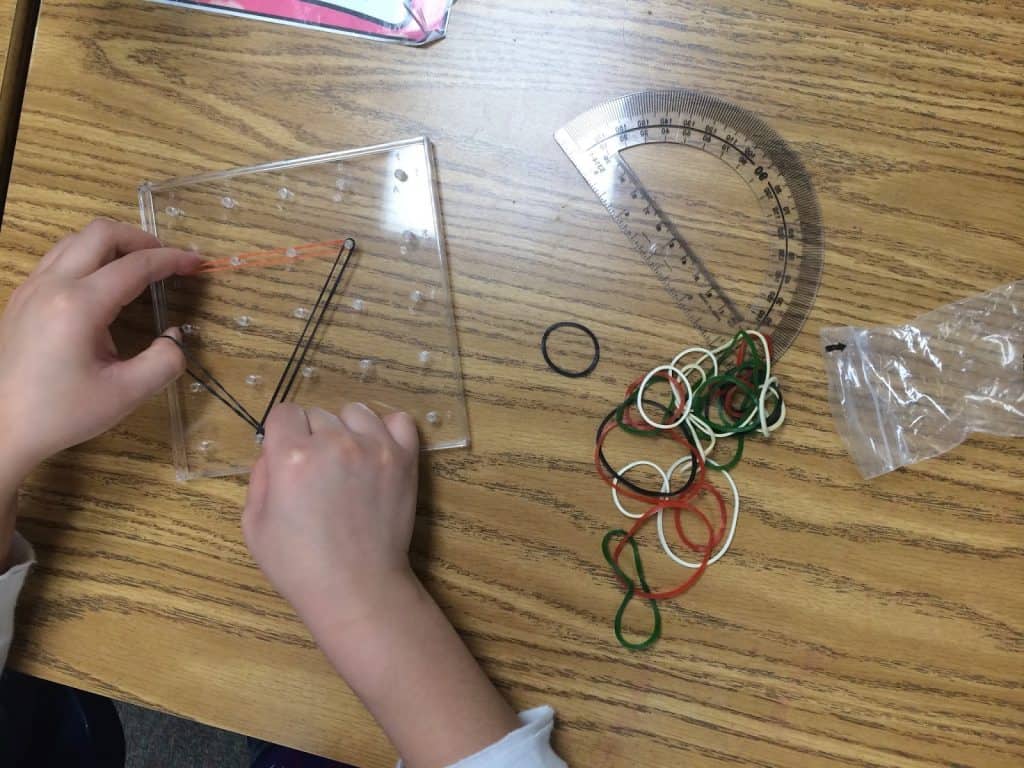
I had already taught students to identify angles with activities from my geometry interactive notebook pack. As I read, students made each angle on a geoboard with rubber bands and measured it with a protractor.
TipAnytime you pull out a manipulative like a geoboard, let students play for a few minutes first. Then get to work!
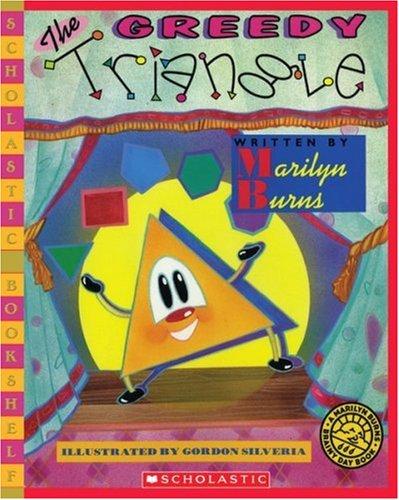
The Greedy Triangle by Marilyn Burns
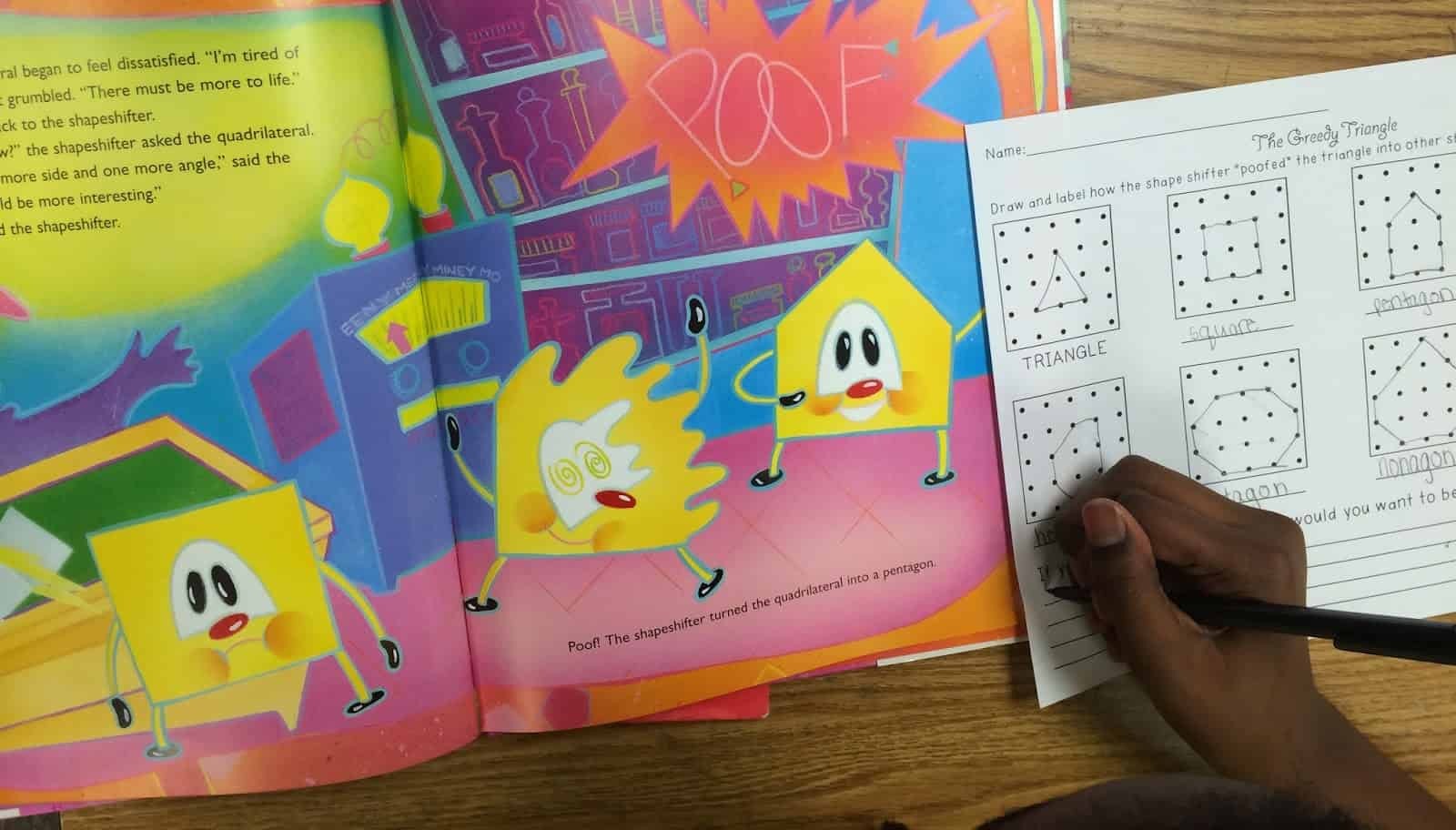
Get the book on AmazonOne year, The Greedy Triangle was the math literature choice on a geometry menu my students worked through in math stations. A shapeshifter keeps giving a bored triangle one more side and one more angle, so it becomes a quadrilateral, then a pentagon, and on from there.
As they read, students drew and labeled each new shape on dot paper. It was a fun way to review polygons after we had finished our geometry unit.
For a mentor sentence lesson and a math interactive notebook activity for ten math picture books, see my Math Mentor Sentences unit for 3rd and 4th grade.


