April is National Poetry Month, and I always added two more words to it: figurative language. I taught figurative language all year, but April was a great time to review it, and poems are full of it. Here are the poetry activities my students loved most, each linked to the post where I explain how I taught it.
Tap a button to jump to that activity:
Close reading works well with poems because they’re short, so students can reread them several times. I used three reads: one for the gist, one for the poet’s craft, and one for the deeper meaning.

 How to close read a poem, with a free Stopping By Woods lessonRead the post

If you want a classic poem for every month, pick the set that fits your grade:
Free poetry activity
If you’re teaching poetry, this free lesson pairs a classic poem, “A Nibbling Mouse” by Sarah Lee Brown Fleming, with a three-read routine: get the gist, analyze the poem, and connect. Enter your email and I’ll send it straight to your inbox!

Two voice poems give two readers one poem, each speaking for a different side, so they’re a natural fit for compare and contrast. See how my class wrote a two voice poem comparing dogs and cats.
Imitating a poem lets students borrow a poet’s structure while they find their own words. My students imitated a poem from Love That Dog line by line, and another time they wrote onomatopoeia poems modeled on one of Jack’s poems.
Poetry and informational text pair well, because students need real facts to write a strong animal poem. Read how my class wrote animal poems from facts and how I paired Vulture Verses with a nonfiction book.
April was also my time to review figurative language. These books and activities for idioms and puns were favorites, since kids take everything so literally. For picture books that model similes, metaphors, and personification, plus ways to get them into student writing, see my figurative language mentor texts.

My Fresh-Picked Poetry activities for grades 3-5 give you a week of lessons on reading poetry, writing and revising a poem, figurative language, and colons, built on Michelle Schaub’s poetry collection.
See the Fresh-Picked Poetry activities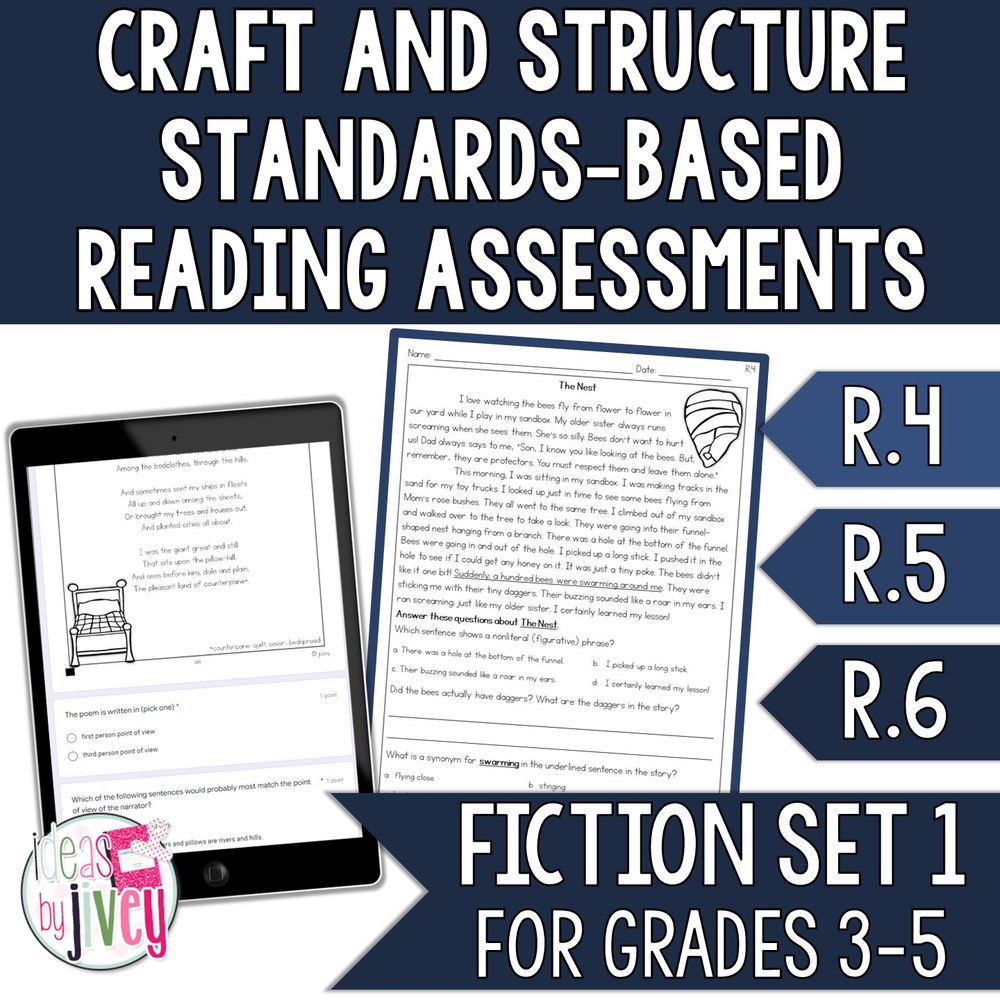
For figurative language review, these passages include a poem, a Greek myth, and a short story, each written at four reading levels.
See the figurative language passages


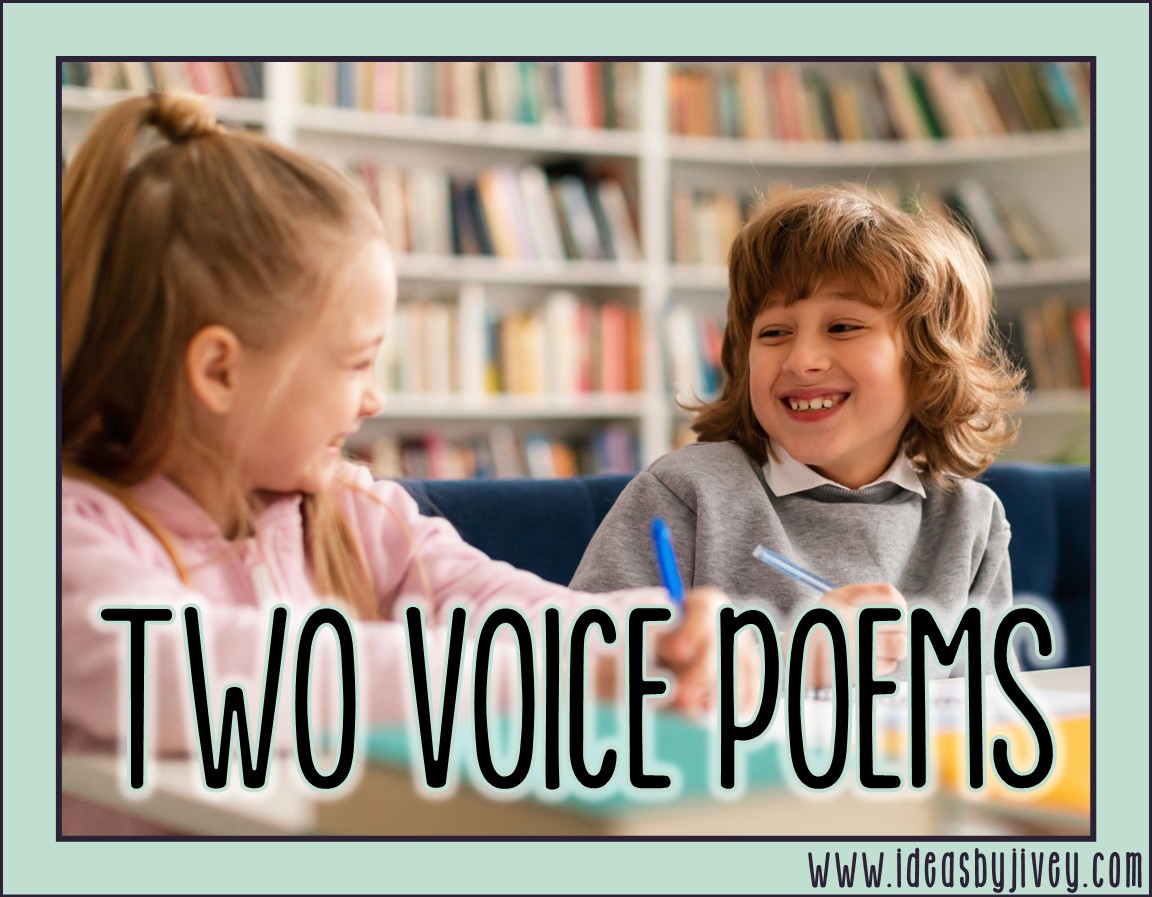 Two voice poems: examples and how my class wrote one

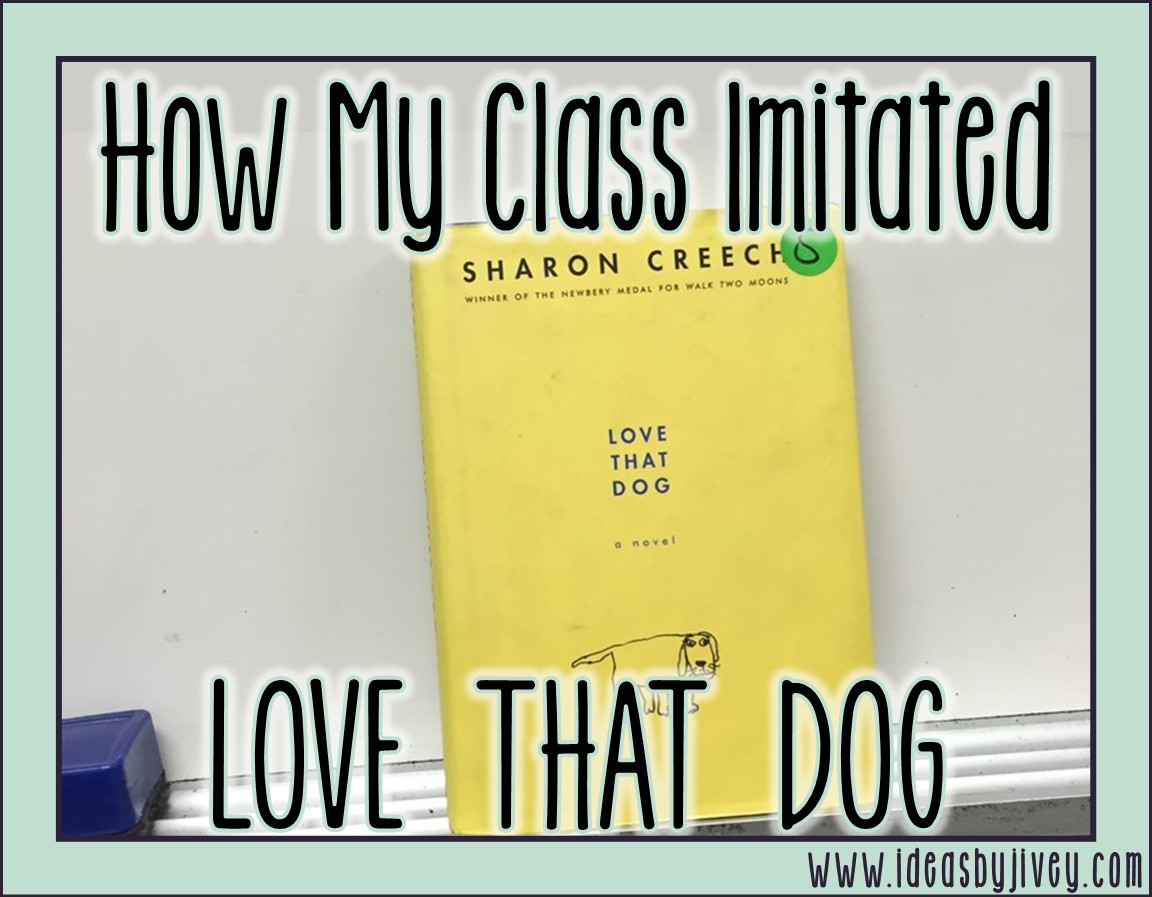 Onomatopoeia poems modeled on Love That Dog
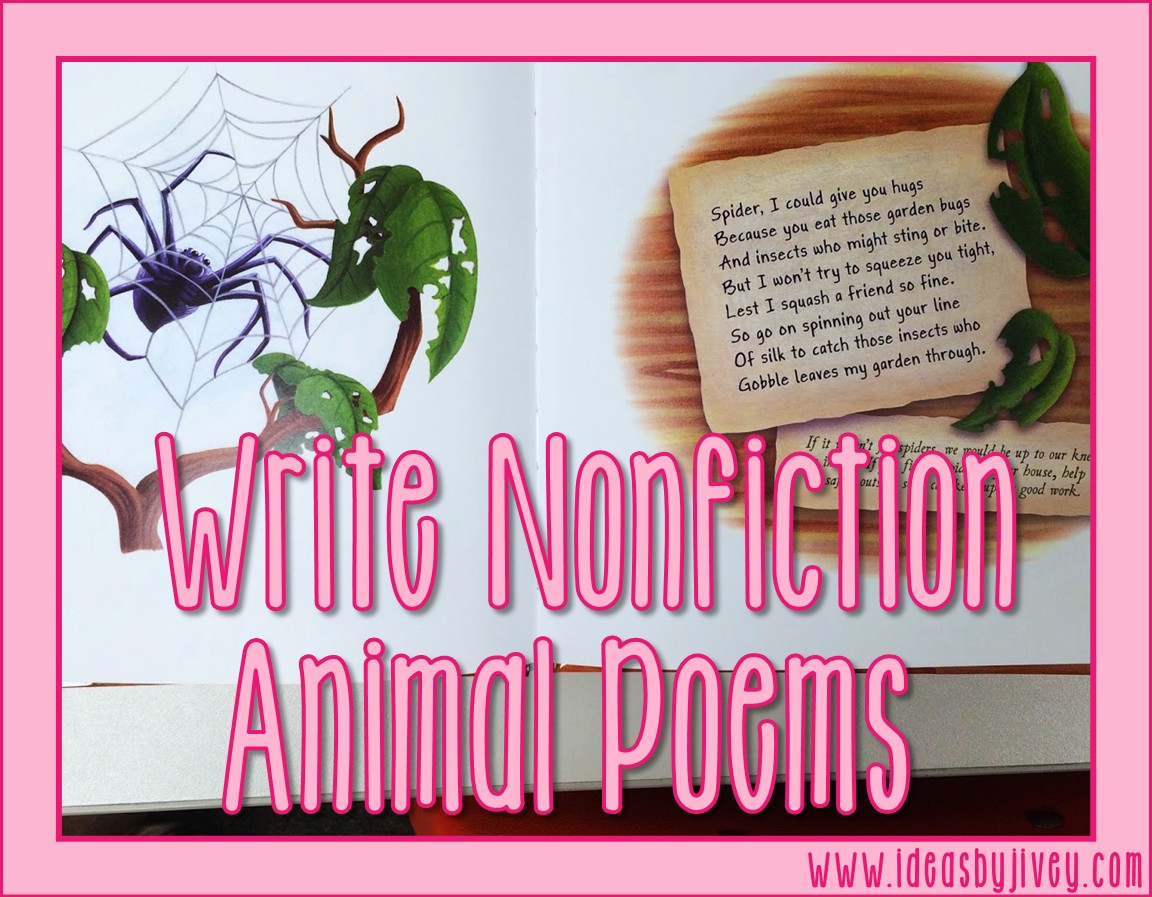 How to write an animal poem from facts

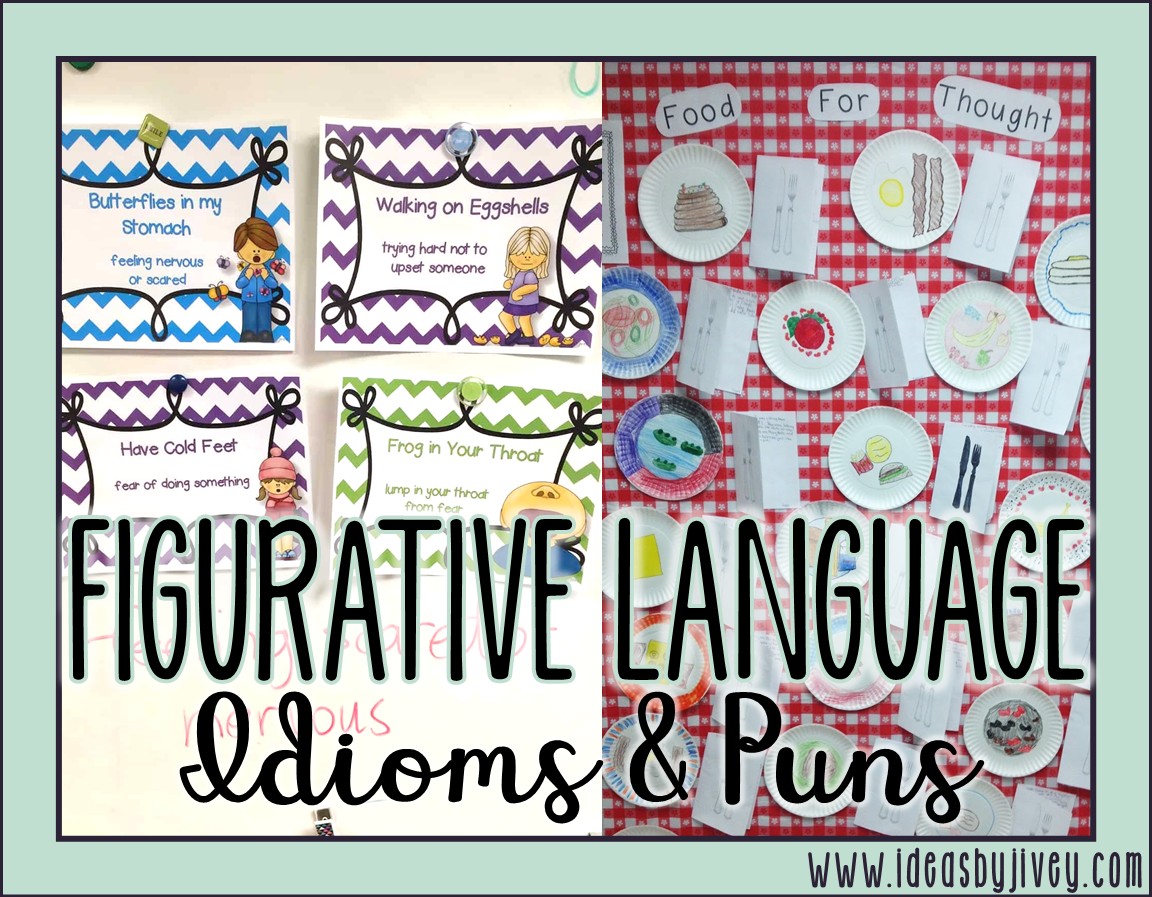 Teaching idioms and puns: books and activities
