Two voice poems were one of the easiest ways I found to get students excited about poetry. They’re written for two readers, each speaking for a different side, and they turn compare and contrast into something students actually want to perform. Here’s what a two voice poem is, how my class wrote one together, and how my students carried the format into social studies the very next day.
A two voice poem is written in two columns, one for each speaker. The two readers take turns, reading line by line from top to bottom.
The shared linesLines at the same height in both columns are read together. They show what the two subjects have in common.
Because the whole poem is built on similarities and differences, it’s really a compare and contrast activity in disguise. It’s also free verse, so nobody gets stuck hunting for a rhyme.
If you want more examples to share, these books are written to be read by two voices:
This post contains affiliate links to books on Amazon. As an Amazon Associate, I earn from qualifying purchases, at no extra cost to you.
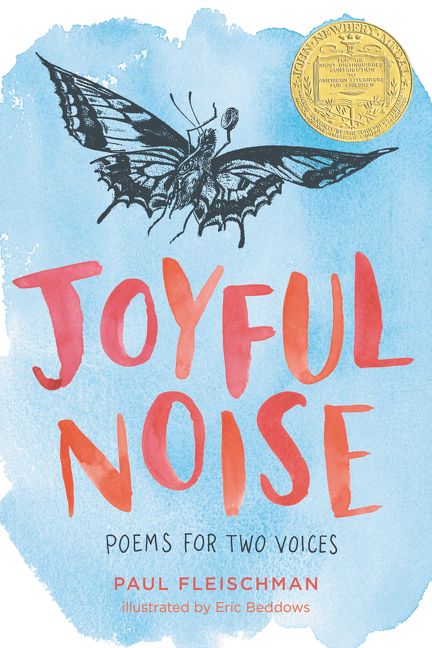
Joyful Noise: Poems for Two Voices by Paul Fleischman: poems about insects, and the 1989 Newbery Medal winner
Get the book on Amazon
You Read to Me, I’ll Read to You by Mary Ann Hoberman: short pieces written for two readers to share, a good fit for younger students
Get the book on AmazonAt the time, we had just finished Love That Dog and were reading Hate That Cat, both by Sharon Creech. (I wrote more about how we used Love That Dog in posts on the book as a mentor text, analyzing its poetry, and poem imitations.) With dogs and cats on everyone’s mind, they made a natural pair for our first shared poem.

The next day, students wrote their own with a partner. We were studying the Revolutionary War, so each pair chose two people we had been learning about. Pairs wrote about King George III and George Washington, Thomas Paine and Thomas Jefferson, and George Washington and Cornwallis.


They asked for more timeThey didn’t finish in one day and asked for more time, so they kept going the next day. When I offered to type and print finished poems as hallway posters, they cheered!
What motivated my studentsLooking back, three things motivated my students: they worked together, they chose who to write about, and the free verse format meant no rhyming.
Even if poetry isn’t on your plan this month, two voice poems are a quick way to practice compare and contrast, and they fit easily into social studies or science.
And if poetry IS on your plan this month, don’t miss the free download below!
Free poetry activity
If you’re teaching poetry, this free lesson pairs a classic poem, “A Nibbling Mouse” by Sarah Lee Brown Fleming, with a three-read routine: get the gist, analyze the poem, and connect. Enter your email and I’ll send it straight to your inbox!


