
A weather unit is one of the easiest places to bring reading, writing, and hands-on science together. When I taught weather, my students read a fiction and a nonfiction book side by side, then built the science with water cycle in a bag, water cycle bracelets, cloud models, and weather instruments they made themselves. Here are the weather unit ideas that worked best, plus free directions for three weather instruments.

This post contains affiliate links to books on Amazon. As an Amazon Associate, I earn from qualifying purchases, at no extra cost to you.
I liked starting a weather unit with two books on the same topic, one fiction and one nonfiction. Students practiced the same reading skill in both, and the science stuck because they met it twice.
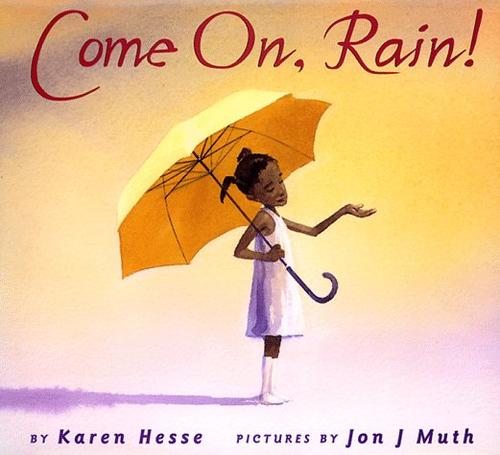
Come On, Rain! by Karen Hesse, illustrated by Jon J Muth
Get the book on AmazonKaren Hesse’s story of a sizzling summer day and the storm that finally rolls in is full of vivid language. My students found text evidence that rain was coming, and the book was also our mentor sentence text that week. They got so good at imitating the sentence that it was hard to pick only four to hang on the wall.
For the full set of lesson ideas, see Come On, Rain! integrated lesson ideas.
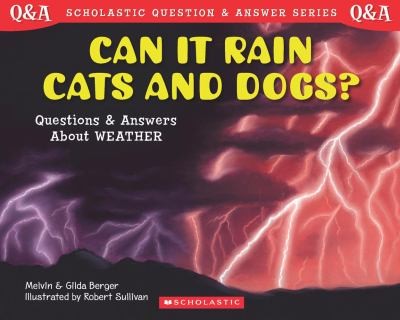
Can It Rain Cats and Dogs? Questions and Answers About Weather by Melvin and Gilda Berger
Get the book on AmazonThis question and answer book was my nonfiction mentor text. My students were obsessed with it and wanted me to read the whole thing! I only read the questions that matched what we had covered so far, and I saved the pages on fronts and weather maps for later in the unit.
Students chose a question from the book, answered it in their own words, and backed up the answer with evidence from the text. One question was “Why do clouds have different shapes and colors?” Students noticed that each type of cloud forms differently, which is why they look different.

Same skill, two genresFinding evidence in fiction and then nonfiction showed students the skill works in any text.
After both whole group lessons, students used the same skill in their own books and gave text evidence in their reading response. The Come On, Rain! page is in my Come On, Rain! activities, and the Cats and Dogs page is in Better Than Basal Nonfiction, which uses Can It Rain Cats and Dogs? as one of its 10 read alouds.
Water cycle in a bag was one of the simplest science activities I did, and one of the most memorable. Students drew and labeled evaporation, condensation, precipitation, and collection on a zip-top bag, added a little water, and taped it to a window.
Then they watched droplets form near the top of the bag and slide back down, the whole cycle happening in one small bag. We also watched Bill Nye teach the water cycle, which my students loved.

I made water cycle bracelets with my students every year. Each bead color stood for a step in the cycle, and we sang the Water Cycle Boogie while we added the beads. My students didn’t need infiltration or transpiration yet, so I stopped the song before those parts.
We sang it at least three times, so each bracelet had the cycle on it three times. That almost wrapped most wrists, and students could see that the cycle really does keep going. They drew their bracelet in their science journal so they could remember the order, and the bracelets stayed at school as a reminder until our water cycle test.
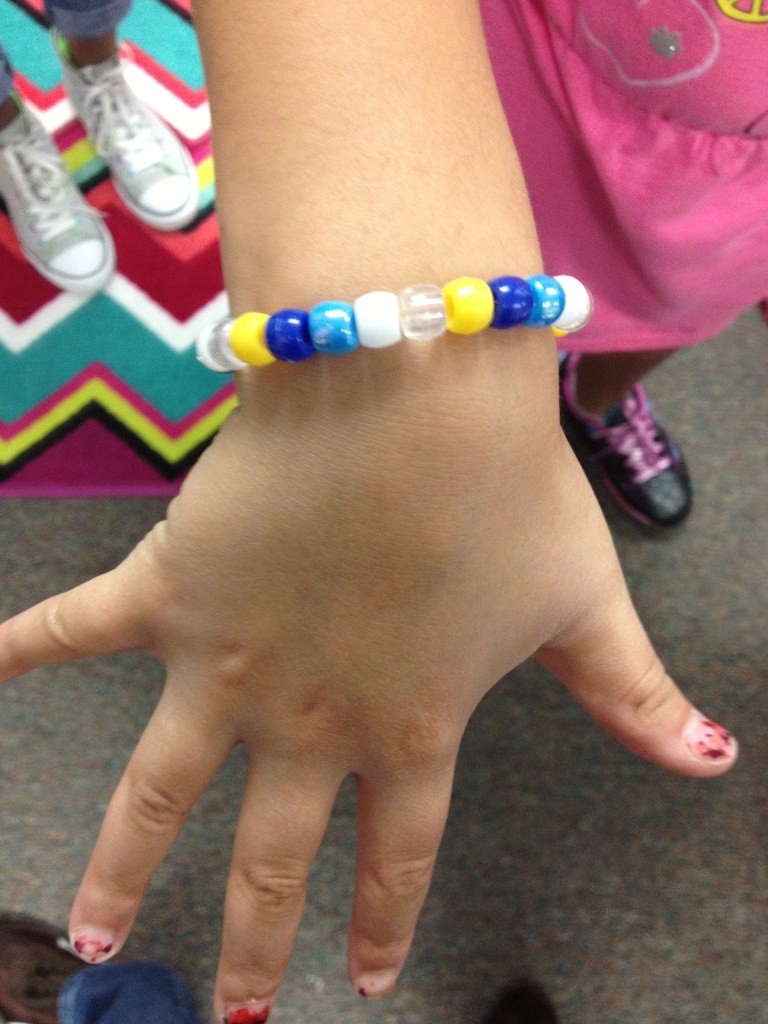
Use pipe cleanersElastic string looks cuter, but dropped beads end up all over the floor. Pipe cleaners hold them in place.
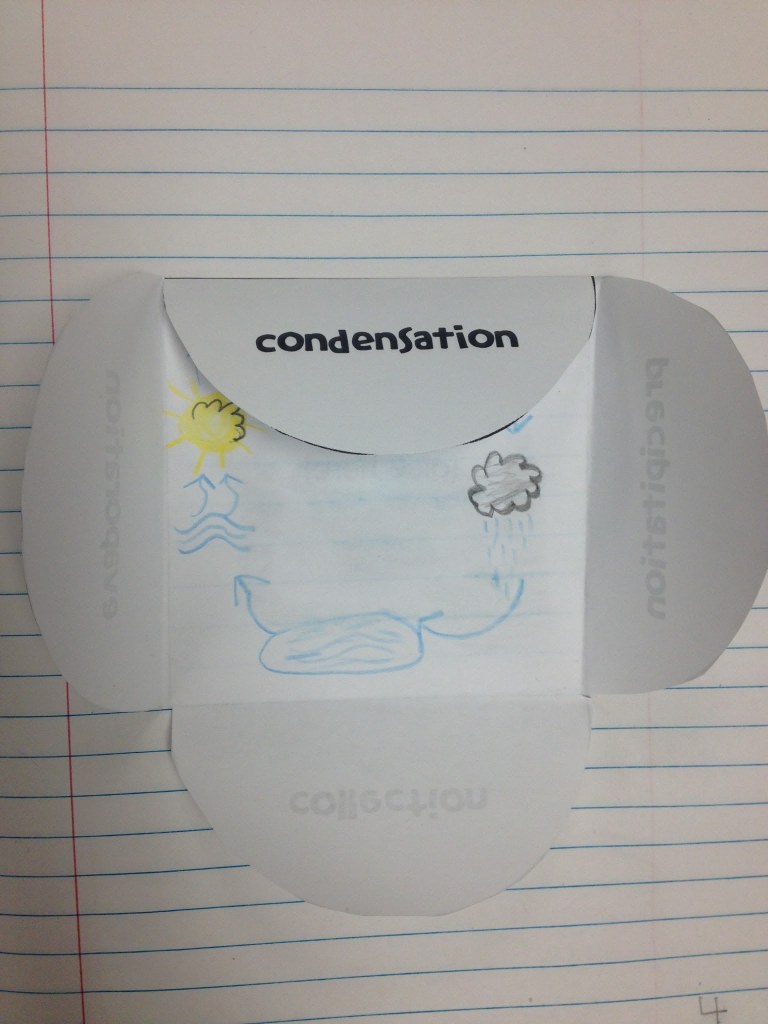
Foldables kept my students engaged through the whole lesson because they got to cut, glue, and draw. For the water cycle, students made a foldable with a picture of the cycle, and each flap covered the part of the picture its word described. It became a study tool they used right up to the test.
For the rest of the unit, we used my weather interactive notebook activities for clouds, precipitation, and weather tools. We also used interactive note taking with weather passages, which helped the science sink in during reading.
If your weather unit runs into winter, my Winter Reading Passages About Snow pair informational texts on how snow forms and on frost, so the water cycle shows up in reading too. There’s a set for grades 2-3 and a set for grades 4-6.

After the clouds question from Can It Rain Cats and Dogs?, students made cloud models. They stretched and shaped cotton balls to show different types of clouds and labeled each one, so they had to think about how each cloud looks and why.

To finish the unit, students made their own weather instruments at three stations: an anemometer, a wind vane, and a barometer. The materials are simple, like paper cups, straws, molding clay, and paper plates.
The barometer took a few days to show changes, so we checked it each morning. My students were so excited when theirs started showing low pressure!


Free download
Make your own weather instruments
Materials lists and step-by-step directions for an anemometer, a wind vane, and a barometer.
These are the resources I used to tie my weather unit into reading and science. Teaching weather in 1st or 2nd grade? My Weather, Seasons, and Moon Bundle has nonfiction reading, writing, and mentor sentences for younger students.


