
$7.00
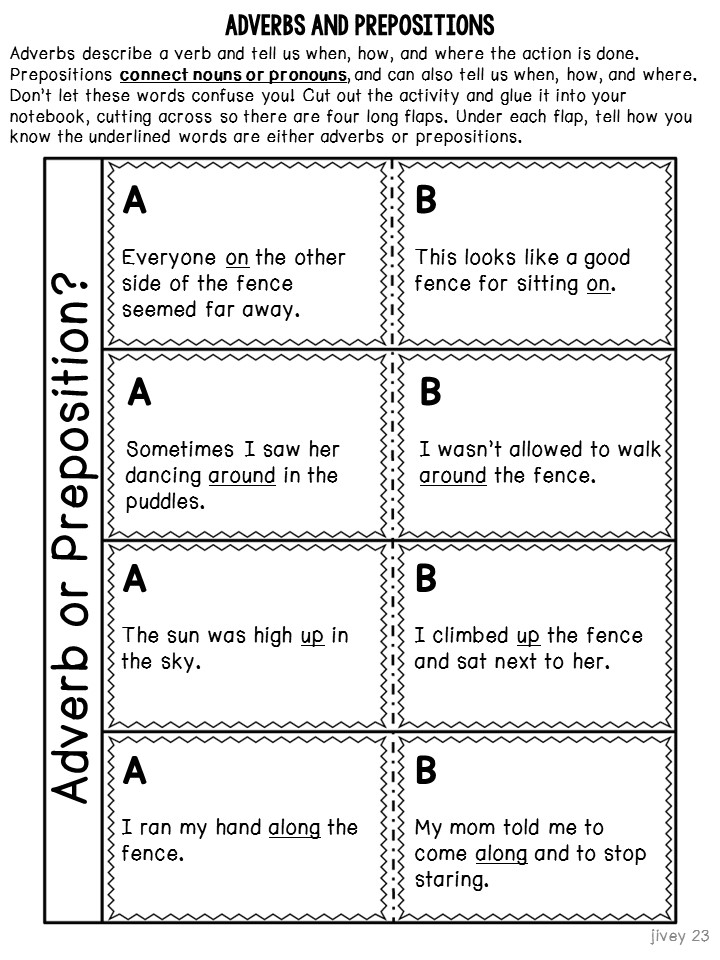
These mentor sentences turn your Civil Rights Movement activities into grammar practice, too, with picture books like The Story of Ruby Bridges, Freedom on the Menu, and The Other Side. Each week, students study one sentence from the book and use its skill in their own writing, from proper nouns and compound sentences to figurative vs. literal language and abstract nouns.
Teach each lesson the week you read the book aloud, so students get a second look at the history while they work on the grammar.
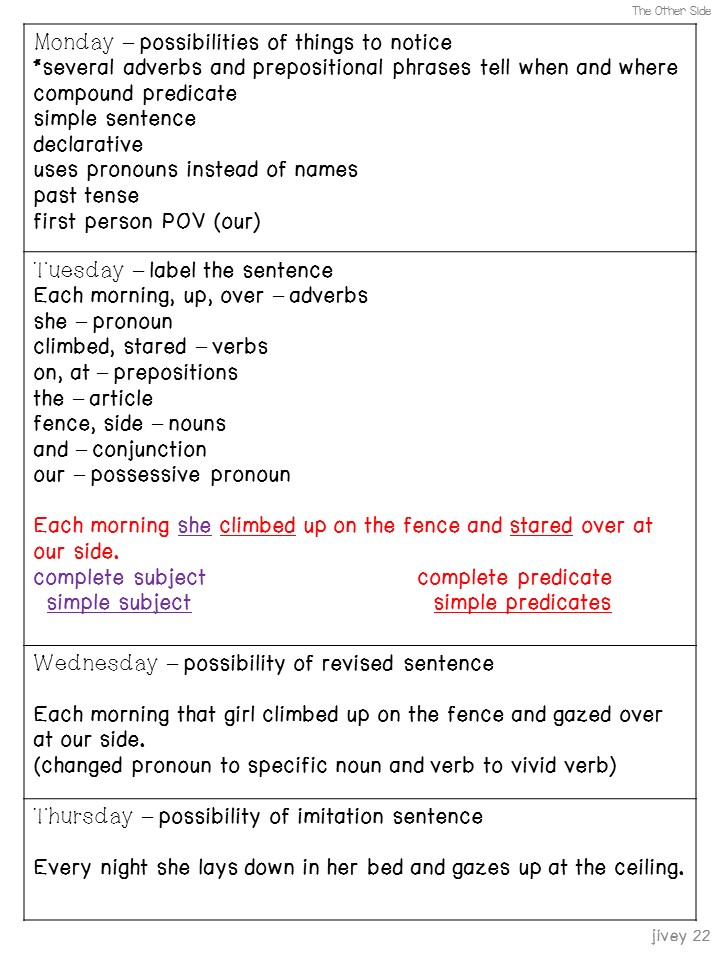
Each day, students spend 10 to 15 minutes with the same sentence, working with it in a new way: noticing, labeling, revising, and writing their own. I’ve already done the thinking for every day, right down to sample revisions and imitations, so you can open the lesson plan and go!
The books are not included. I chose favorite read-alouds that most school libraries already have.
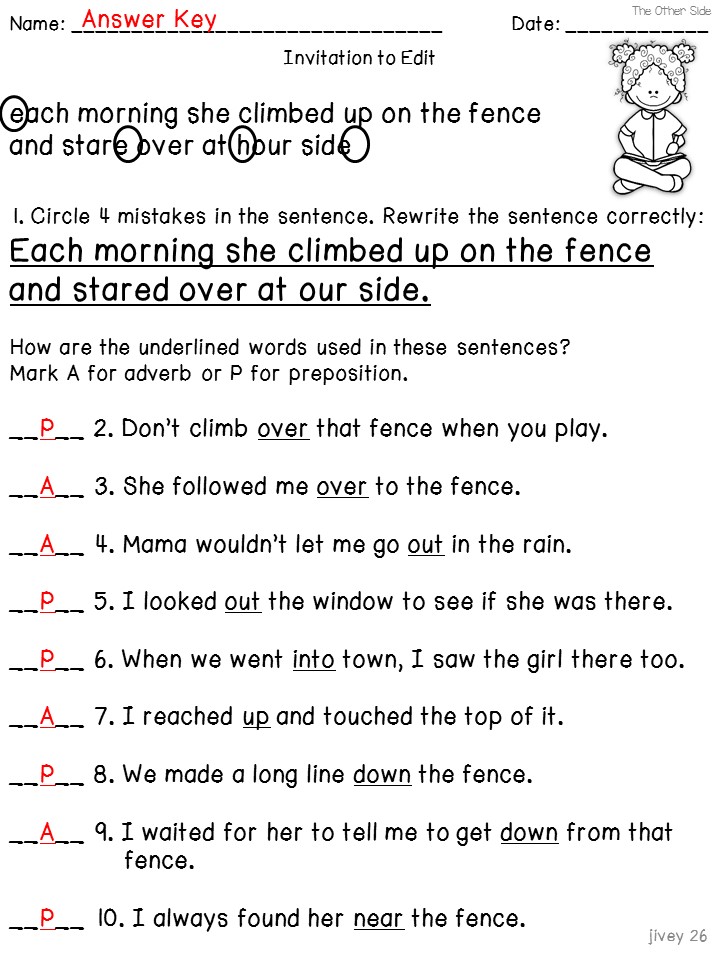
Fix-the-sentence drills hand students a sentence full of mistakes. If they don’t already know the rule, they can’t spot the errors, and fixing someone else’s mistakes doesn’t show them what a strong sentence looks like. That’s why the practice so rarely shows up in their own writing.
Mentor sentences flip that! Each week starts with a model sentence from a published author, and students soak up the grammar by noticing it, talking about it, and trying it in a sentence of their own. They pick up craft along the way, too: figurative language, descriptive words and phrases, and sentence variety they can borrow for their own writing.
Research backs up teaching grammar in context instead of in isolation. A large review of writing studies for grades 4 to 12 found that grammar taught in isolation did not improve students’ writing (Graham and Perin, 2007).
The routine stays the same every week, so students of any ability know exactly what to expect. Each week focuses on one or two skills, but students also meet new and earlier skills in every sentence, and that spiral review keeps them in front of students all year!
My Mentor Sentences for 3-5 page walks through how they work in upper elementary.
This mini-unit doesn’t include the full introduction to the routine. That’s in Unit 1 of Volume 1, Volume 2, or Volume 3, with photos and day-by-day directions.
More civil rights read-alouds: my Back of the Bus activities and Martin’s Big Words activities are mentor text units for grades 3-5.
More history mentor sentences: Underground Railroad and Civil War and the Holocaust.
See all of my mentor sentence mini-units.
This purchase is for one teacher. Please don’t share the files with other teachers. Thank you!
Copyright © 2016 Ideas By Jivey, LLC
All rights reserved by author, Jessica Ivey.
Permission to copy for single classroom use only.
Electronic distribution limited to single classroom use only.
Not for public display.
Thank you. Your review was received and will appear once it has been checked.
Please log in to the account you used to buy this resource. Only customers who bought it from this shop can leave a review.
Mentor Sentences are Wonderful!
I love using mentor sentences in my classroom! I have previously used Patterns of Power as a model for my language block, and this took my language block to a whole new level. The ONLY thing I wish this bundle included is the vocabulary and foldable pages some other mentor sentence units have. Overall, still an excellent resource!
Great addition to my collection!
I love having thematic mentor sentence units. Great resource.
Terrific addition to the mentor sentences! As always, a great way to teach grammar.
This is such a useful resource for teaching content and sentence structure at the same time. Thank you!
I love using mentor sentences. They allow me to use "picture books" in the fifth grade classroom and align them to our standards.
These mentor sentence units never disappoint. Always using great picture books with great compatible activities.
I recently purchased the "Teachers Pay Teachers" product, and I must say, it exceeded my expectations! This resource is an absolute gem for educators looking to bring excitement and engagement into their classrooms.
I have several Mentor Sentence activities by this seller and love them all!


