Knowing how to use mentor texts is one of the best ways to take back your planning time. Instead of hunting for a new book for every lesson, you read one great text and return to it all week for reading, grammar, writing, and even science or social studies. Here’s what a mentor text is (and isn’t), what makes a good one, and how one book can carry a whole week of lessons.

This post contains affiliate links to books on Amazon. As an Amazon Associate, I earn from qualifying purchases, at no extra cost to you.
A mentor text is a picture book (fiction or nonfiction), a chapter from a novel, an article, a song, or a poem that serves as a model. Students study what the author did, then try it themselves, across your subjects:
A mentor text is not just a read-aloud. You read it for enjoyment first, but that isn’t its only job.
It isn’t a whole novel, either. You can model skills from a chapter book, but a mentor text should be short enough that you can refer back to it all week (or for two or three weeks) for different skills.
The best mentor texts can carry several weeks of lessons. Look for a book that:
Bang for your buckChoose a nonfiction, historical fiction, or science fiction book, or math literature, to tie in content.
Starting every lesson with a new book makes it hard to keep mini-lessons mini. Once you’ve read the book one time, you only need to reread or point back to parts of it. Here’s how I used one book across the day:
Small groupsWhole-group mini-lessons use the mentor text. Small-group time is for targeted practice with texts chosen for those students.
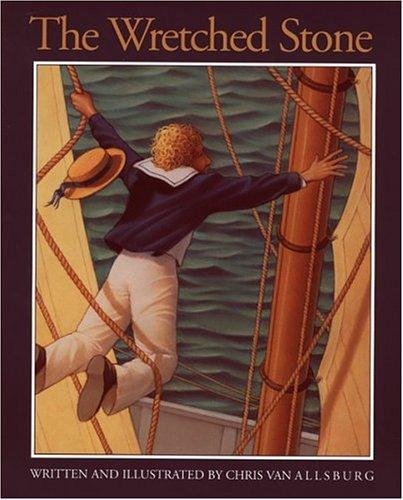
The Wretched Stone by Chris Van Allsburg
Get the book on AmazonThe Wretched Stone has so many skills to teach in reading and writing, and it lends itself to social studies, too. Two free samples let you try a full week with it: my free The Wretched Stone activities, the complete reading and writing set from Better Than Basal Volume 1, and a free mentor sentence sample with an interactive activity on conjunctions in compound sentences.
When you’re ready for more, Better Than Basal Volume 1 gives you reading activities for 40 picture books, and the nonfiction companion adds informational texts.


Free mini-course
Maximize your time with mentor texts
A week of reading, grammar, and writing lessons built around I Wanna Iguana, plus a planning template for getting more out of one mentor text. Students finish the week with a persuasive letter.


