
Before students can infer, draw conclusions, or answer rigorous questions, they need to know how to look back in the text and find evidence. Many students think they remember what the text said, so they write what they recall, sometimes incorrectly. These two picture books make finding text evidence concrete: Do Unto Otters for fiction and Never Smile at a Monkey! for nonfiction close reading.

This post contains affiliate links to books on Amazon. As an Amazon Associate, I earn from qualifying purchases, at no extra cost to you.
Why it mattersStudents can name ways to be friendly on their own. Going back to the text builds the habit they need for evidence-based questions.
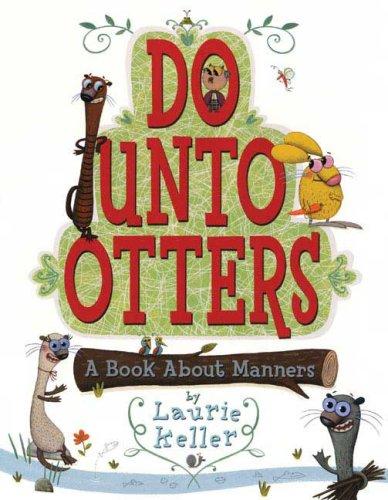
Do Unto Otters Laurie Keller
Get the book on AmazonDo Unto Otters is a great book for the beginning of the year, when you’re setting classroom expectations. It presents the Golden Rule in a funny way that kids of any age enjoy. Mr. Rabbit’s new neighbors are otters, and he doesn’t know anything about otters, so he wonders how they’ll be friends. As you read, talk about how we’re all different, but treating each other the way we want to be treated makes for a good year and good friendships.
I read it during the first week of school to help my class set our norms. After reading, we talked about what the Golden Rule means, and students shared ways we could “do unto others.”

The next day, I followed it with The Golden Rule by Ilene Cooper, which shares the Golden Rule in religions and cultures around the world. My school was very diverse, so it was a great way to talk about how there were lots of differences in our room, and we could still believe the same thing. From there, students created our class norms, thinking about the climate and community they wanted more than the rules.
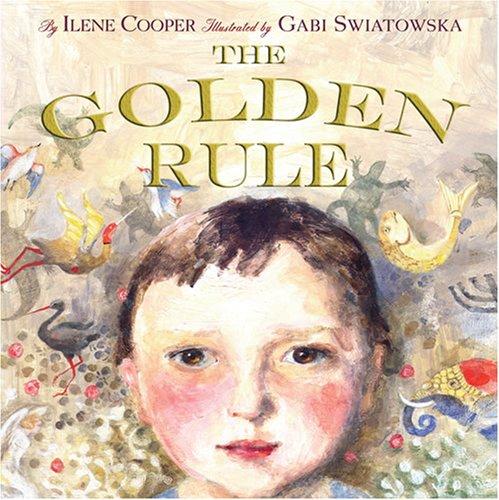
The Golden Rule by Ilene Cooper, illustrated by Gabi Swiatkowska
Get the book on Amazon
Free activity
Do Unto Otters: finding specific text evidence
Students find evidence that shows how otters can be friendly, polite, honest, considerate, and kind.
My free activity asks students to find evidence from the text that shows how otters can be friendly, polite, honest, considerate, and kind. Use it as a mini-lesson after the read aloud by returning to those pages together. For example, how can otters be friendly? Turn back to the page and look at the evidence:

For more, my Do Unto Otters mentor text unit includes a mentor sentence lesson plus reading, vocabulary, and writing activities. You can also see how I taught the mentor sentence lesson from this book at the beginning of the year.
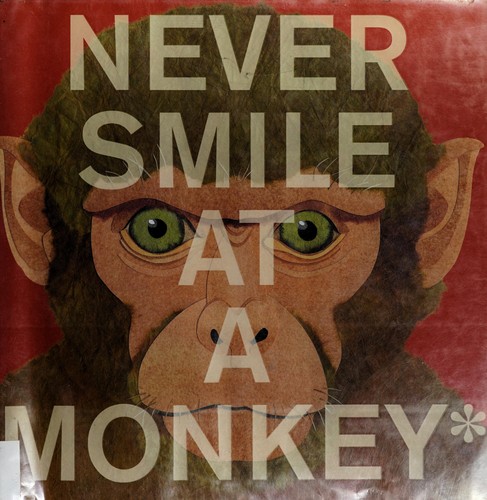
Never Smile at a Monkey! Steve Jenkins
Get the book on AmazonNonfiction close reading can be tricky for elementary students, because many texts are so long it’s hard to focus on what’s important. I liked introducing close reading with mentor texts that cover several topics in short paragraphs. Never Smile at a Monkey! has one paragraph each about eighteen different animals, which holds students’ interest and works well for comparing and contrasting.
In this nine-minute video, I walk through how to teach close reading and summarizing with this book, using the activities in my free Never Smile at a Monkey resource below.


