
If You Find a Rock by Peggy Christian was the read aloud I used to start our first writing piece of the year. The book turns ordinary rocks into treasures, and it helped my students find seed ideas: the small moments that make a strong personal narrative. Here’s how I used it, from jotting memories during the read aloud to memory jars and a final story rolled into a scroll.

This post contains affiliate links to books on Amazon. As an Amazon Associate, I earn from qualifying purchases, at no extra cost to you.
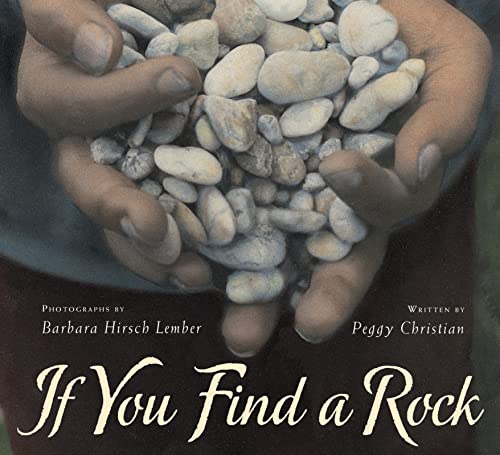
If You Find a Rock by Peggy Christian, photographs by Barbara Hirsch Lember
Get the book on AmazonIt happens every year. You’re grading your students’ memoirs, and they’re all lacking… well… memories. Instead, you get a long list of everywhere they went one summer, or everything they did one day at the beach.
That’s when it’s time to talk about seed ideas. Seed ideas are the tiny moments that let you “live” in the feelings and senses of ONE event. That means writing about the first time you rode a wave in on your boogie board… not waking up, AND walking along the shore, AND building a sand castle, AND getting a sunburn, AND catching a crab, AND riding that wave.
Sound familiar?Every one of those events could be its own seed, and its own memoir.
If You Find a Rock is a great book any time of year, but it’s a really good one for finding seed ideas at the beginning of the year. Looking for more ways to help students find them? See my personal narrative ideas post.
As I read If You Find a Rock aloud, students related each page to their own memories and jotted them down in their notebooks. It might be a place or event connected to that page, or a person or item that makes them feel the way the book describes.
For example, the page about the resting rock might help them think of a place they like to go to be alone, which may remind them of a time they went to that spot.
In another lesson, students picked two or three memories they could expand into narratives, or memoirs. I gave them time to really dive into the feelings, the people who were there, and the details of that one specific memory.
I had students talk about their memory with a partner before they started writing. Talking it through helped them get more out, and their partner could ask questions that helped them think more specifically.
This project is totally optional, but it really got my students excited about their memories. Here’s what you need:
Students chose a few of the seed ideas they had collected and wrote a word or two that sums up each memory on a river rock. We put a little floral moss in the bottom of each jar, then added the rocks. This became their memory jar!


Students chose just one of their rock memories to start. The book does a wonderful job describing the rocks and the feelings that go with them, so I encouraged students to write that way, too. They described the setting and parts of the main event with sensory details so the reader would feel like they were there.

Once students finished editing and revising, I gave them plain white paper cut in half the long way (think long and skinny!). They wrote their final piece on it, rolled it up like a scroll, tied it with yarn, and put it in their jar with their rocks.
TipCollect the final pieces and read them before students roll them up, or you’ll be opening a lot of jars and scrolls!
You can keep going with the other rocks in the jar, too. It becomes a mini portfolio in a jar! My students were so excited to show their jars and their writing to their parents at Open House, and one student came back the next year to tell me she kept adding to her memory jar over the summer and wrote more scrolls.
The book also works for practicing central idea. Each page describes a different kind of rock, like a skipping rock, a wishing rock, or a worry rock, so ask students what all of the rocks have in common instead of focusing on just one.
One way students might put it: even ordinary rocks can be treasures because of what we do with them and how they make us feel.
Looking for ready-made, detailed mentor text lessons for the week? My Mentor Text Club sets give you 12 weeks of picture book lessons for grades 3-5, and my Everything but the Books narrative unit covers narrative writing for grades 4-5.


PIN FOR LATER:


